
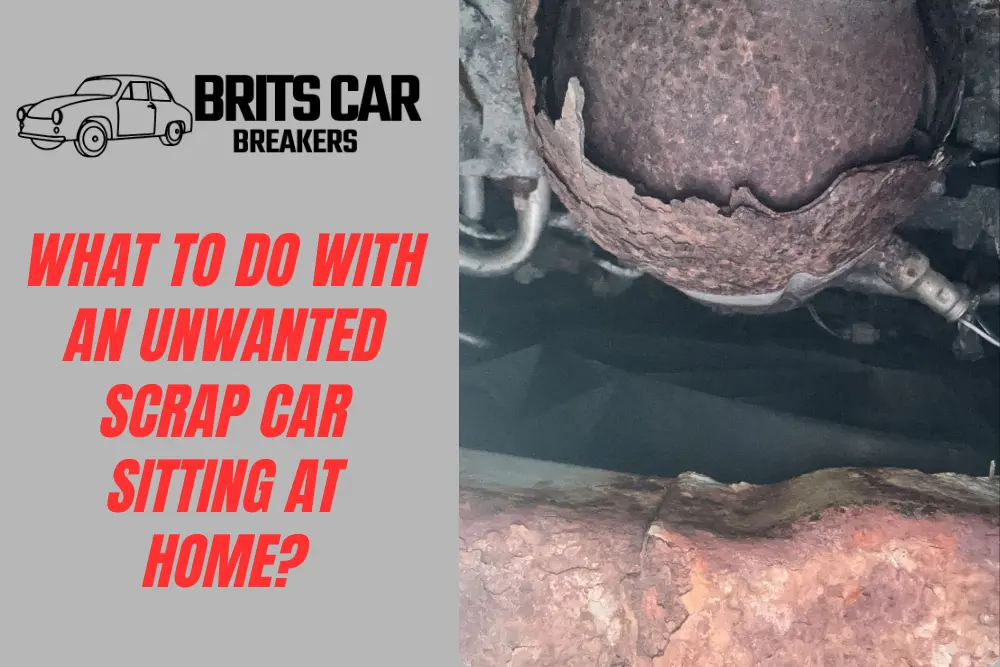
An unwanted car rarely becomes a problem overnight. Most vehicles end up sitting outside after a failed MOT, an expensive repair estimate, or an accident that makes driving unsafe. At first, the plan is to deal with it later. Over time, the car fades into the background as its condition slowly worsens.
What many owners do not realise is that an idle vehicle loses value faster than expected. Rust spreads, parts weaken, and market demand drops. Instead of holding on to a declining asset, taking the proper steps at the right time can turn that vehicle into cash and free up space. This guide explains how to handle an unwanted vehicle properly, legally, and with the least effort.
Step 1: Understand Car Condition
First off, stop kidding yourself. Is it really a “project car”? If the engine is toast or the repair bill is higher than the car’s actual value, it’s game over.
In London, especially, space is gold. Why waste it on a dead vehicle? If it’s a write-off, an accident victim, or just an MOT failure, treat it as scrap. It’s liberating, honestly.
Step 2: Check Legal Environment
This is where people get burned. You cannot just hand the keys to a guy with a truck and hope for the best. If you don’t do the paperwork, that car is still your legal problem. Imagine getting a fine for a vehicle you haven’t seen in two years?
You need a Certificate of Destruction (CoD). That’s the only proof the DVLA accepts that you’re no longer liable for the car. Stick to authorised breakers in London who actually issue this. If someone offers you cash and “no paperwork”, walk away. Fast.
Step 3: Check the Glovebox
You would not believe what gets crushed in scrap cars: House keys, wallets, that lucky pair of sunglasses. Once the vehicle goes on the truck, it’s gone.
Pro Tip: Look at the parts. Got a brand new battery in there? Fancy alloy wheels? Whip them off. A breaker might not pay extra for them, but you can definitely sell them separately on eBay or Facebook Marketplace for some extra cash.
Step 4: Decide the Best Disposable Parts
You have basically got three options here:
- Private Sale: Only if it runs. Be prepared for hassles and time-wasters.
- Part It Out: Only if you have tools, time, and don’t mind oil on your driveway.
- Scrap It: The easy route. A proper service comes to you, loads it up, pays you instantly, and handles the DVLA bits.
Step 5: Choose a Reliable Scrap Service
If a company asks you to pay for towing, they’re laughing. The scrap value of the metal should easily cover pickup costs, especially in London. Look for a transparent quote: they weigh it, they pay you (via bank transfer, not cash—that’s illegal now), and they tow it away. Done.
The Bottom Line
Leaving that car to rot isn’t just an eyesore; it’s an environmental hazard waiting to happen (think leaking oil and coolant soaking into the ground). Plus, modern recycling is pretty incredible—about 95% of that car can be reused or recycled.
If you want it gone today, Brits Car Breakers works directly with licensed partners in London. We keep it simple: fair pricing, quick collection, and proper paperwork: no stress, just a clear driveway and money in the bank.