
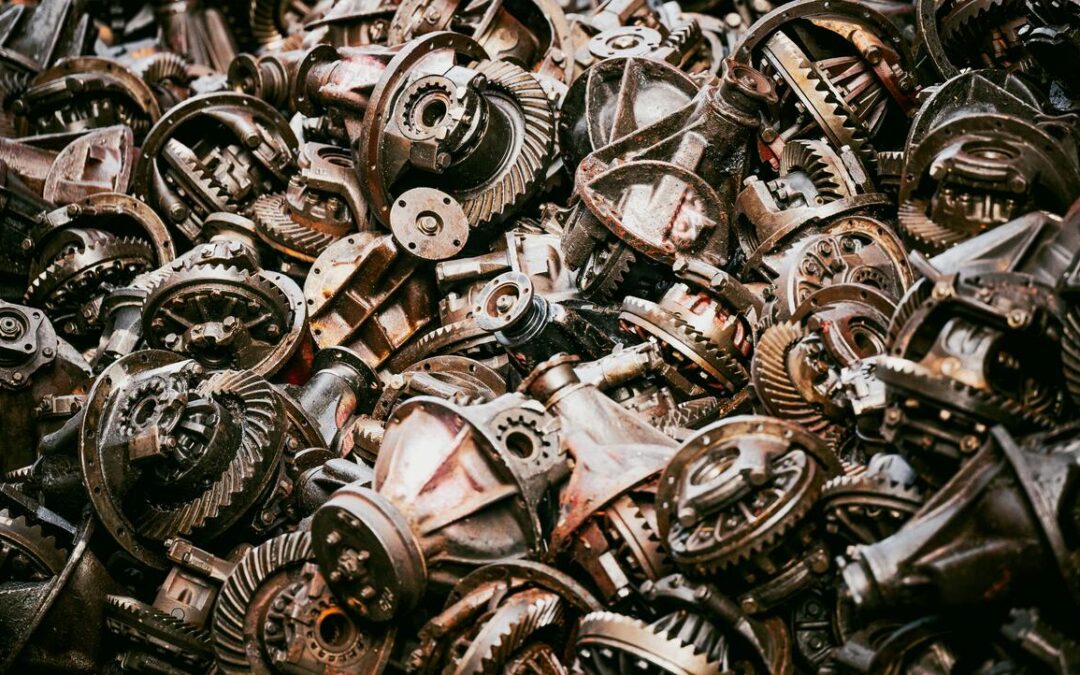
With the push for green energy and the rising costs of raw materials, certain components inside your vehicle are worth much more than the shell itself. Whether you want to fix your car or sell it for parts, understanding which bits hold the most value is key to getting a fair price. This guide walks you through the top ten most valuable scrap car parts this year, so you can walk away with the best deal possible.
Why Scrapping Individual Parts Beats Selling the Whole Car
A lot of people just call a scrap yard and take whatever flat rate they offer for the full vehicle. That is the easiest route, sure. But it is rarely the most profitable one.
When you sell a car whole to a yard, they weigh it and pay you based on the metal weight, which is usually quite low. But if you pull out specific high-value components first, you can sell those separately at much better prices and still scrap the shell afterwards.
The Top 10 Most Valuable Scrap Car Parts Right Now
1. Catalytic Converter
This is the single most valuable part of almost any petrol or diesel car. The catalytic converter sits in the exhaust system and contains platinum, palladium, and rhodium. These are precious metals, and in 2026, their market value remains very high.
Depending on the car make and the converter type, a single unit can fetch anywhere from $100 to $1,500 or more. Diesel particulate filters on newer diesels also carry strong value. Hybrid cars tend to have converters with even higher precious metal content.
2. Car Engine and Transmission
A working engine is obviously worth a lot. But even a non-running engine has value because it contains aluminium, steel, and iron that recyclers pay well for by weight.
A transmission gearbox carries a similar appeal. Manual gearboxes in particular are sought after because they fit multiple model years, and many mechanics prefer to rebuild them rather than buy new ones.
3. Car Battery (Lead-Acid and Lithium)
Standard lead-acid batteries have always had recycling value because of the lead content inside. In 2026, the real buzz is around lithium-ion batteries from electric and hybrid vehicles.
A lead-acid battery typically fetches between $10 and $30 at a recycler. An EV lithium battery pack, depending on its condition, can be worth several hundred to a few thousand dollars. Some buyers refurbish them for solar storage systems or secondary EV use.
4. Alternator and Starter Motor
These two components get overlooked all the time, but they should not be. The alternator charges your car battery while the engine runs, and the starter motor turns the engine over. Both contain copper windings inside, which is what gives them their scrap value.
Even non-working alternators and starters sell to recyclers at decent copper prices. Working units fetch considerably more because mechanics buy them as replacements for other vehicles of the same make.
5. Copper Wiring and Electrical Harness
Copper is one of the most consistently valued metals on the scrap market. Cars contain a surprising amount of it, tucked inside the wiring harness that runs throughout the vehicle.
Stripping and selling copper wiring takes time and effort, but the return per kilogram is high. In 2026, copper scrap prices sit in a strong range, and even a standard family car can yield 20 to 50 kilograms of copper wiring across the full harness.
6. GPS, Infotainment, and Sat Nav Systems
Newer vehicles come loaded with tech. Sat nav units, infotainment screens, digital instrument clusters, and rear cameras all carry resale value, especially from cars made in the last five to ten years.
These parts sell well on online marketplaces and to independent garages that do tech upgrades on older models. A factory-fitted sat nav from a mid-range car can fetch $100 to $400. Depending on the unit and compatibility.
7. Doors, Bumpers, and Body Panels
Body panels are in constant demand because accidents happen every day. A door from a popular car model in good condition can easily sell for $150 to $600 because replacing it with a used part is far cheaper than buying new from a manufacturer.
The value depends heavily on:
- The colour (common colours like black, white, and silver sell faster)
- Condition (no deep dents or rust)
- Model popularity (parts for Hondas, Toyotas, and Fords move quickly)
8. Air Conditioning Compressor
The AC compressor is a mechanical pump that drives the air conditioning system. Replacing one brand new is expensive, so there is always strong demand for working second-hand units.
Even faulty ones have scrap value because they contain aluminium housings and copper coils. Working AC compressors from common models typically sell in the range of $100 to $350.
9. Wheels, Rims, and Tyres
Alloy wheels in decent condition always have buyers. People upgrade their wheels, replace cracked ones, or buy second-hand sets for winter use. A set of four alloys from a mid-range car can bring in $200 to $800 depending on size and brand.
Even steel rims have scrap value by weight. Tyres with reasonable tread left sell individually to people looking for affordable replacements.
10. Seats and Interior Trim
This one surprises a lot of people. Seats, especially leather ones from SUVs or luxury models, can fetch good money. Repair shops buy them, car enthusiasts swap them in for upgrades, and people replace damaged seats with matching used ones.
Rear bench seats, door cards, dashboards in clean condition, and overhead consoles all have a secondary market. It is not as strong as metal components, but for cars with premium interiors the returns can be worthwhile.
How to Get the Most Money from Your Scrap Car
Getting good value is not just about knowing which parts are worth something. It is also about how you go about selling them.
- Research your car model before pulling anything apart. Some models have parts that are far more in demand than others.
- List working parts online first. Platforms like Facebook Marketplace or local classified sites often pay better than scrap yards for functioning components.
- Get multiple quotes. Do not accept the first offer from a scrap dealer. Ring around and compare.
- Handle scrap car removal properly. Many removal services offer free pickup and still pay you for the vehicle shell after you have removed the valuable parts. Make sure you ask what they factor into the price.
- Keep your paperwork. Scrap buyers increasingly need to verify ownership before purchase, especially for high-value components like catalytic converters.
Conclusion
Scrapping a car does not have to mean walking away with next to nothing. The parts listed above hold real money in 2026, and pulling even two or three of them before handing the shell over can make a noticeable difference to what you end up with.
If you are in the Toronto area and want a straightforward, fair deal on your old vehicle, Scrap Car Buyer Toronto handles the whole process cleanly. We offer honest valuations, free pickup, and they know the market well enough that you are not left guessing what your car is actually worth. Give us a ring before you make any decisions.
Which scrap car part is worth the most in 2026?
The catalytic converter is usually the most valuable scrap car part because it contains precious metals like platinum, palladium, and rhodium.
Can I sell car parts separately before scrapping the vehicle?
Yes, selling valuable parts separately often earns more money than scrapping the entire car as metal weight.
Are EV batteries valuable in the scrap market?
Yes, lithium-ion batteries from electric and hybrid vehicles can be worth hundreds or even thousands depending on condition.
What car parts are easiest to resell online?
Alloy wheels, infotainment systems, doors, seats, and working engines are among the easiest used car parts to sell online.
Do scrap yards buy non-working car parts?
Yes, many scrap yards buy faulty parts because they still contain valuable metals like copper, aluminium, and steel.