
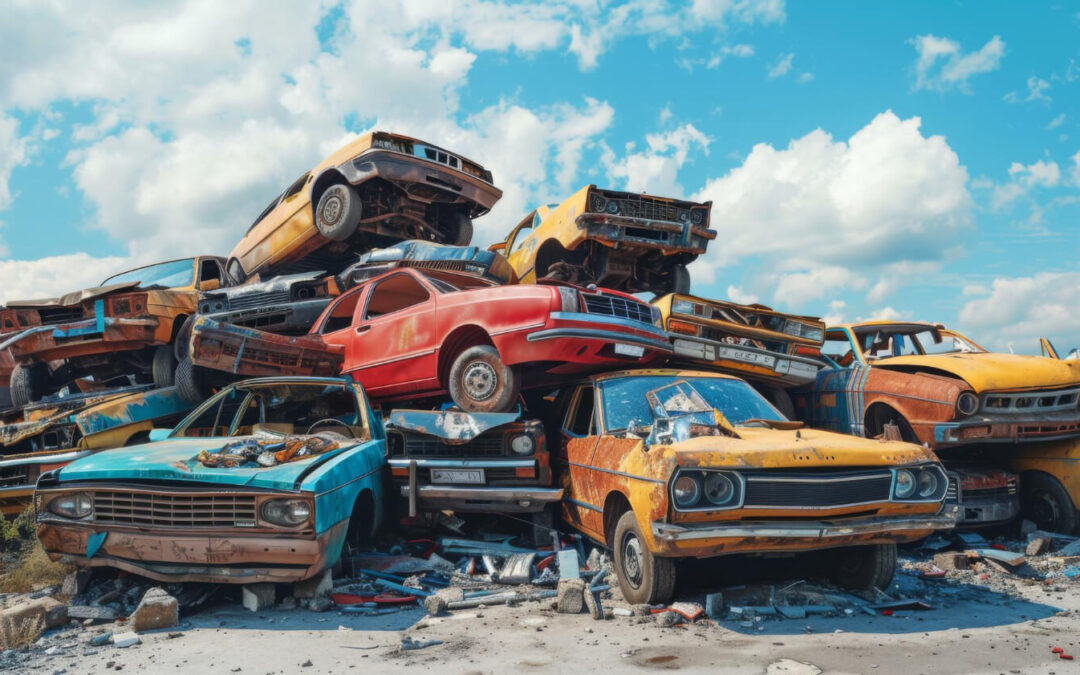
As early electric cars get old, finding a clean way to handle their power packs is a major challenge. It is not just about clearing away junk; it is about saving rare materials and keeping dangerous chemicals out of our soil. So let us walk through exactly what happens, step by step, in a simple way.
Where Do EV Batteries End Up?
When an electric car stops running, it goes to a licensed scrapyard. Workers here carefully take the vehicle apart. They drain the fluids, remove the tyres, and get the metal frame ready to crush. However, dealing with scrapped electric vehicles requires special safety gear and proper training.
Taking out a high-voltage battery is dangerous, so you cannot leave it to an amateur. Workers wear thick safety gloves and use special tools to drop the heavy battery out of the car without causing a spark or a fire. Once they pull the battery out safely, the metal body of the car goes to a standard shredder. The battery itself moves to a special area for its next steps.
If you have an old petrol or diesel car sitting on your driveway that you need to get rid of, using a professional scrap car removal service ensures your vehicle gets recycled the right way from day one.
Checking If The Battery Can Work Again
Every battery that arrives at a specialist yard gets a thorough health check. Just because a battery can no longer run a heavy car at high speeds does not mean it is totally useless. Car makers usually replace a battery when it loses about 20-30% of its original storage power.
At this stage, workers split the batteries into two groups based on how healthy they are.
- The Re-use Route: Batteries that can still hold a steady charge get cleaned up for simpler power jobs.
- The Recycling Route: Damaged, warped, or completely dead batteries go straight to a machine to get crushed.
Giving Old Batteries A Second Job
Giving a worn-out car battery a second life as battery storage is a smart move for the environment. A battery that gives a driver range anxiety can still serve as a brilliant energy bucket for buildings. This step can add another ten years of useful life to the battery before anyone needs to melt it down.
These used batteries are becoming a big help for renewable energy systems. Companies group these batteries to store power from solar panels and wind turbines.
- Storing Green Power: They save extra electricity when the sun is shining and send it back to homes during busy evening hours.
- Backup Systems: Places like hospitals, data centres, and phone masts use these old batteries to keep lights on during power cuts.
- Replacing Generators: Outdoor events and building sites use these quiet battery packs instead of noisy diesel generators.
Cracking Open The Cells To Get Raw Metals
When a battery is completely dead and cannot hold a safe charge, it enters the actual EV battery recycling process. This part looks more like a chemical lab than a messy scrapyard. The main goal here is to break open the outer casing and extract the valuable metals inside.
The facility puts the battery through large chopping machines filled with special gas to stop fires. This crushing turns the parts into a mix of plastic, copper wires, aluminium, and a dark powder called black mass. This powder holds the most valuable ingredients.
The factory then uses chemical baths or ovens to separate the powder into pure metals. The best recycling plants can save almost all the important materials, which they sell back to factories to make brand-new batteries.
Mining the Wastage of Damaged EV Batteries
This smart recovery system is part of a trend called urban mining lithium. Instead of digging giant holes in the ground for new minerals, we harvest them from old junk. This approach brings big benefits for both the environment and business.
Recovered Metal |
What It Makes |
Why It Helps |
| Lithium | New battery cells | Saves water in mining areas |
| Cobalt | Stable battery structures | Cuts down on deep mining |
| Nickel | Better driving range | Lowers pollution from factories |
The Roadblocks Facing Scrapyards Today
The EV vehicle recycling industry faces real problems right now. The biggest issue is that every car maker builds batteries differently. They use different shapes, secret glues, and different mixtures of chemicals. This variety makes it hard for machines to do the work, so humans have to take them apart slowly by hand.
Moving these giant batteries around is also difficult and expensive. The law treats damaged lithium batteries as hazardous waste, so shipping them requires special containers and strict paperwork. Right now, most recycling plants handle waste from factories rather than old cars, because most electric cars on the road are still quite new.
Final Thoughts On Scrap Cars
Switching to electric transport only works if we handle end-of-life EV batteries with care. Turning these complex parts into fresh raw materials completes the green loop and proves that electric cars can be truly sustainable from start to finish.
When your own vehicle gets too old or expensive to fix, making the right choice matters. Working with a trusted partner like Brits Car Breakers ensures your old car gets stripped down safely and legally. By choosing a team that knows how to handle modern vehicle waste, you ensure that every part of your old car gets a fair chance at a useful second life.
Can a standard scrap yard handle an electric car battery?
No, standard scrap yards are not legally allowed to handle them. Electric vehicle (EV) batteries are high-voltage, hazardous waste. They must be processed by a licensed ATF (Authorised Treatment Facility) like Brits Car Breakers. We have the specialist equipment and training to safely extract and store EV battery packs without risking toxic leaks or thermal fires.
Do old EV batteries just end up in landfills?
Absolutely not—in the UK, throwing industrial batteries into a landfill or incinerator is completely illegal. Because these batteries contain rare, highly valuable metals like cobalt, lithium, and nickel, virtually 95% to 100% of an EV battery’s raw materials are carefully extracted, processed, and recycled back into the manufacturing chain.
What does "Second-Life" reuse mean for an EV battery?
When an electric car is scrapped due to an accident or age, its battery often still holds up to 70–80% of its original capacity. Instead of being melted down immediately, these battery packs are cleaned, tested, and given a “second life” as stationary energy storage units to power homes, commercial buildings, or national grid backups.
Is a scrap electric vehicle worth more than a petrol or diesel car?
It depends. While EV batteries contain precious minerals, they are incredibly costly, dangerous, and labor-intensive to extract and transport legally. The scrap value fluctuates heavily based on global mineral prices and the condition of the battery pack. The best way to find out is to get a direct quote from a specialist like us.
Will Brits Car Breakers collect a scrap EV with a dead or damaged battery?
Yes, we provide free collection across London and the surrounding areas for all end-of-life electric and hybrid vehicles. Because a damaged EV battery requires specialized logistics and a flatbed with proper safety gear, just let our team know the vehicle’s condition when you call, and we will handle the rest safely and legally.