
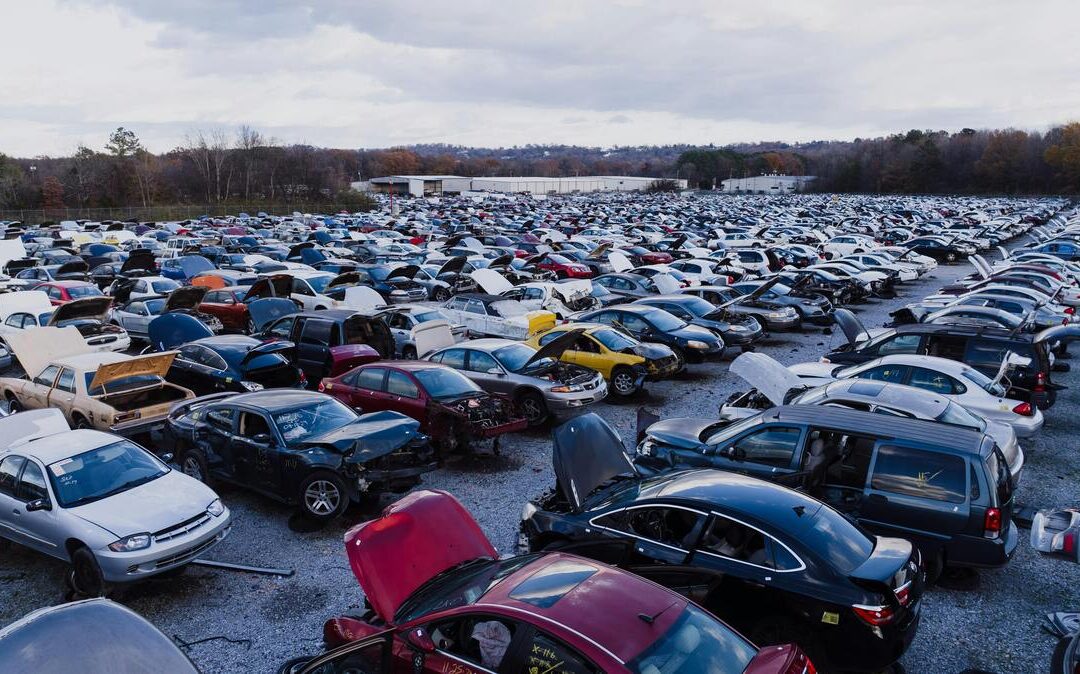
If you’re trying to get rid of an old vehicle in London, this distinction matters. A scrapyard pays by weight. A car breaker pays for value. Brits Car Breakers works as the second type, which means owners often get a better return on a car that still has working components.
This guide breaks down what each facility actually does, how they’re regulated, and which option makes sense depending on your vehicle’s condition. We’ll also cover common questions people ask before scrapping or selling a car for parts.
What Does a Scrapyard Actually Do?
A scrapyard’s main job is turning vehicles into recyclable metal. The car is drained of fluids, stripped of hazardous materials, then crushed or shredded for scrap steel and aluminium.
Scrapyards work on volume. They don’t usually test parts or resell components individually. The payout is based on the vehicle’s weight and current scrap metal prices, not on the condition of the engine, gearbox, or bodywork.
This makes a scrapyard the right choice for a vehicle that’s been in a serious accident, has major structural damage, or simply has no parts worth saving.
What Does a Car Breaker Do Differently?
A car breaker dismantles a vehicle piece by piece to identify parts that still work and can be resold. Engines, alternators, wing mirrors, doors, and interior components are tested, catalogued, and stored for buyers who need them.
Only the remaining shell, once every usable part has been removed, goes for metal recycling. This process takes longer than scrapping, but it usually means a higher payout for the vehicle owner.
Brits Car Breakers inspects every vehicle individually before deciding which parts can be salvaged. A car with a blown head gasket but a healthy transmission and intact panels can still be worth significantly more through a breaker than through weight-based scrapping.
How the Valuation Process Differs
Scrapyard pricing is simple: weight multiplied by the current metal rate. Car breaker pricing looks at each component separately, then adds up the total resale potential.
A 10-year-old car with low mileage and a recently replaced clutch might fetch far more from a breaker than from a scrapyard, even though both facilities are legally allowed to take the vehicle.
Which Option Suits Your Vehicle?
Choose a car breaker if your car has usable parts left; choose a scrapyard if the vehicle is damaged beyond repair. A quick way to check: if the car still starts, drives, or has recently serviced components, a breaker is usually worth contacting first.
Vehicles that have been flood-damaged, burnt out, or crushed in a collision generally have little resale value in parts. In those cases, scrap weight is the more realistic option.
Are Both Facility Types Legally Regulated?
Yes, both scrapyards and car breakers must operate as an Authorised Treatment Facility (ATF) under UK end-of-life vehicle rules. This means they’re required to depollute the vehicle safely, remove hazardous fluids, and issue a Certificate of Destruction where applicable.
According to the Environment Agency, any business dismantling or scrapping vehicles in England must hold a permit and follow strict depollution standards to prevent environmental contamination. This applies whether the business calls itself a scrapyard or a car breaker.
Always confirm a facility’s ATF status before handing over your vehicle. It protects you legally and ensures the car is processed responsibly.
Conclusion
A scrapyard pays for metal weight. A car breaker pays for usable parts, which often means more money for your vehicle. Before you scrap a car, get it assessed properly. Contact Brits Car Breakers for a fair, no-obligation valuation on your vehicle today.
Frequently Asked Questions
Do I get a Certificate of Destruction from a car breaker?
Yes. Any licensed facility that takes your vehicle permanently off the road must issue one so you can cancel tax and insurance.
Will a car breaker take a vehicle that doesn't run?
Usually yes. Batteries, wheels, glass, and electronics often still have resale value even if the car won’t start.
Is it illegal to sell a scrap car privately without a licensed facility?
Yes. UK law requires end-of-life vehicles to go through an Authorised Treatment Facility, or you risk liability for improper disposal.
Can I collect specific parts back after my car is broken?
Some breakers, including Brits Car Breakers, let you request parts before the rest of the vehicle is processed.
How long does the car breaking process take?
It varies by vehicle, but dismantling and cataloguing usable parts typically takes longer than straight scrapping, often a few days.
Does a car breaker pay more than a scrapyard?
Often yes, since payment reflects the resale value of usable parts rather than just scrap metal weight.