
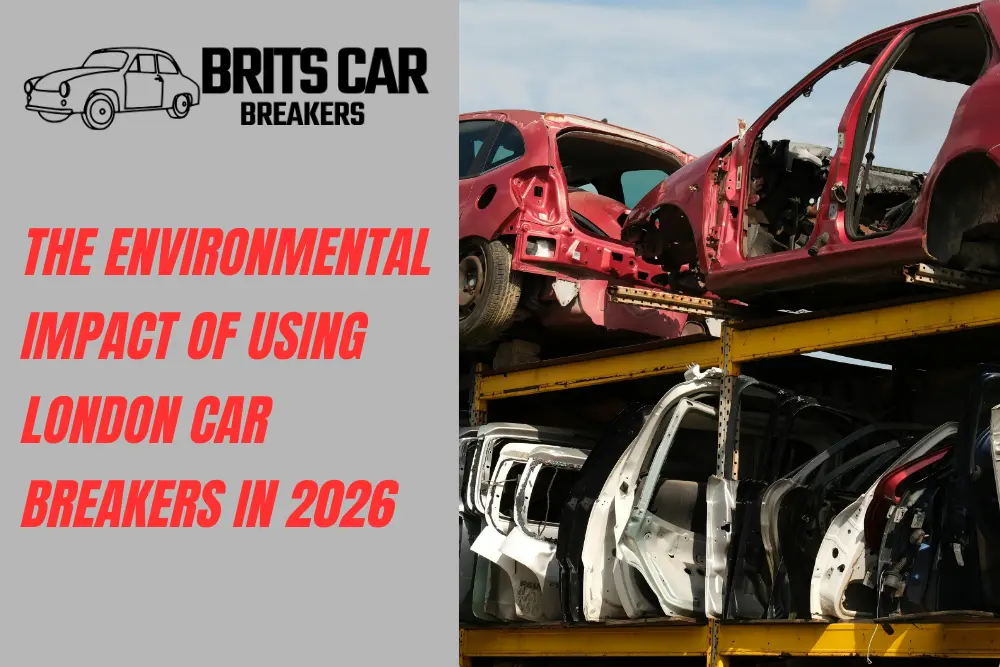
These facilities are now the frontline defense against automotive waste. Understanding the environmental impact of using a professional London car breaker is no longer just about getting rid of an old motor. It is about participating in a sophisticated circular economy that saves energy, protects our soil, and keeps London breathable for everyone.
The Aftermath of the ULEZ Expansion
The Ultra Low Emission Zone expansion was a turning point for the capital. By 2026, the data shows a significant drop in harmful nitrogen dioxide levels across Greater London. This success story required removing tens of thousands of older and polluting vehicles from our roads. The sheer volume of cars surrendered under scrappage schemes presented a massive logistical challenge.
If these cars had been left to rot or processed by illegal operators, the environmental cost would have been catastrophic. Instead, regulated car breakers in London stepped up to manage the influx. They ensured that this massive fleet turnover resulted in genuine environmental progress rather than a waste management crisis. By funneling these vehicles into authorized channels, London avoided millions of tons of potential landfill waste. The system proved that environmental policy relies heavily on the practical infrastructure of the recycling industry to function effectively.
Understanding the Depollution Process
Many people assume that scrapping a car simply involves crushing it into a cube. The reality in 2026 is far more complex and scientific. The most critical stage of the entire operation is depollution. This is where the real environmental protection happens.
Before a vehicle can be crushed or stripped for parts, it must undergo a rigorous detoxification process. An average car contains around 15 to 20 liters of hazardous fluids. This includes engine oil, brake fluid, coolant, and transmission fluid. If these liquids seep into the ground, they can contaminate soil and water sources for decades.
Licensed breakers use specialized equipment to drain every drop of these toxic substances. The fluids are then stored in sealed tanks and sent for specialist treatment or regeneration. Hazardous components like mercury switches from boot lids or lead balancing weights from wheels are also carefully removed. This stage ensures that the vehicle shell is clean and safe for the next steps of recycling. It is a precise operation that separates professional facilities from illegal scrap yards.
The Rise of Green Parts and the Circular Economy
The concept of a circular economy has become a buzzword in 2026, but car breakers have been practicing it for years. The most sustainable way to repair a car is not to manufacture a new part but to reuse an existing one. London car breakers are now major suppliers of what the industry calls green parts.
Manufacturing a new car door or alternator requires mining raw materials, shipping them globally, and using immense amounts of energy for production. In contrast, retrieving a working part from a scrap vehicle requires almost zero new energy. Every reused alternator or bumper represents a significant saving in carbon emissions.
Garages and even insurance companies across the UK now prioritize these reclaimed parts. They are genuine Original Equipment Manufacturer components that cost less and save the planet. By choosing to scrap your car with a breaker that salvages parts, you are directly feeding this supply chain. You are helping to keep other vehicles on the road for longer and reducing the global demand for new steel and plastic production.
Tackling the Electric Vehicle Challenge
The year 2026 marks a specific shift in the types of vehicles entering the scrap stream. We are starting to see the first generation of mass market electric vehicles and hybrids reach their end of life. This brings a new set of environmental challenges that London breakers are adapting to handle.
Lithium ion batteries are the heart of an electric vehicle, but they are also a complex environmental hazard. They cannot simply be shredded. These batteries contain valuable materials like cobalt, lithium, and nickel. These are finite resources that require intensive mining to obtain.
Advanced breakers now have protocols for safe scrap car removal involving electric vehicles. They carefully dismantle the battery packs. If the battery is healthy, it might be repurposed for static energy storage in homes or businesses. If it is dead, it is sent to specialist refineries where the precious metals are extracted for use in new batteries. This closes the loop on electric vehicle production and prevents the need for environmentally damaging mining operations.
Why Certification Matters for the Environment
You might see handmade signs on lampposts offering cash for cars. Using these unregulated services is one of the most damaging things you can do to the environment. Illegal scrap collectors often lack the expensive equipment needed for proper depollution. They may strip the valuable metal and dump the rest, including the hazardous fluids and tires, in fly tipping hotspots.
This is why Authorised Treatment Facilities are the only legal option. The Environment Agency strictly monitors these sites. They must report their recycling rates and prove that they are meeting the government target of recycling 95 percent of every vehicle by weight. When you use a licensed facility, you receive a Certificate of Destruction. This document is not just paperwork. It is your guarantee that the car has been handled according to the strictest environmental standards in the world. It confirms that the vehicle has been deregistered and will not return to the road in an unsafe condition.
The Carbon Footprint of Metal Recycling
The final stage of the car breaking process involves shredding the metal shell. This steel and aluminum are vital resources. Producing steel from recycled scrap uses roughly 75 percent less energy than making it from iron ore. For aluminum, the savings are even higher, reaching up to 95 percent.
London car breakers feed thousands of tons of ferrous and non ferrous metals back into the global market every year. This scrap metal is melted down and used to build everything from new cars to bridges and appliances. By recycling the metal from your old car locally, we reduce the need to import raw materials. This lowers the carbon footprint of the UK manufacturing sector significantly. It is a massive contribution to the fight against climate change that often goes unnoticed.
Conclusion
The environmental impact of using a professional car breaker in London is profound. In 2026, these facilities are sophisticated recycling hubs that protect our air, soil, and water. They prevent hazardous waste from polluting the environment and recover valuable materials that reduce the need for mining. Every car processed correctly is a victory for the planet.
For residents in the capital looking for a reliable and eco-conscious service, Brits Car Breakers offers a professional solution that ensures your vehicle is recycled to the highest modern standards. Making the right choice for your old car is one of the simplest yet most effective ways you can contribute to a greener London.
How do car breakers help reduce waste?
They recycle metals, recover reusable parts, and safely dispose of hazardous materials.
What percentage of a scrap car can be recycled?
Modern licensed recycling facilities can recover up to 95% of vehicle materials.
Why is proper fluid removal important?
Removing oils, fuel, and coolants prevents soil and water contamination.
Do reused car parts support sustainability?
Yes, reusing OEM parts reduces manufacturing demand and minimizes waste.
Are licensed car breakers environmentally regulated?
Yes, licensed ATFs follow strict UK recycling and environmental compliance standards.