
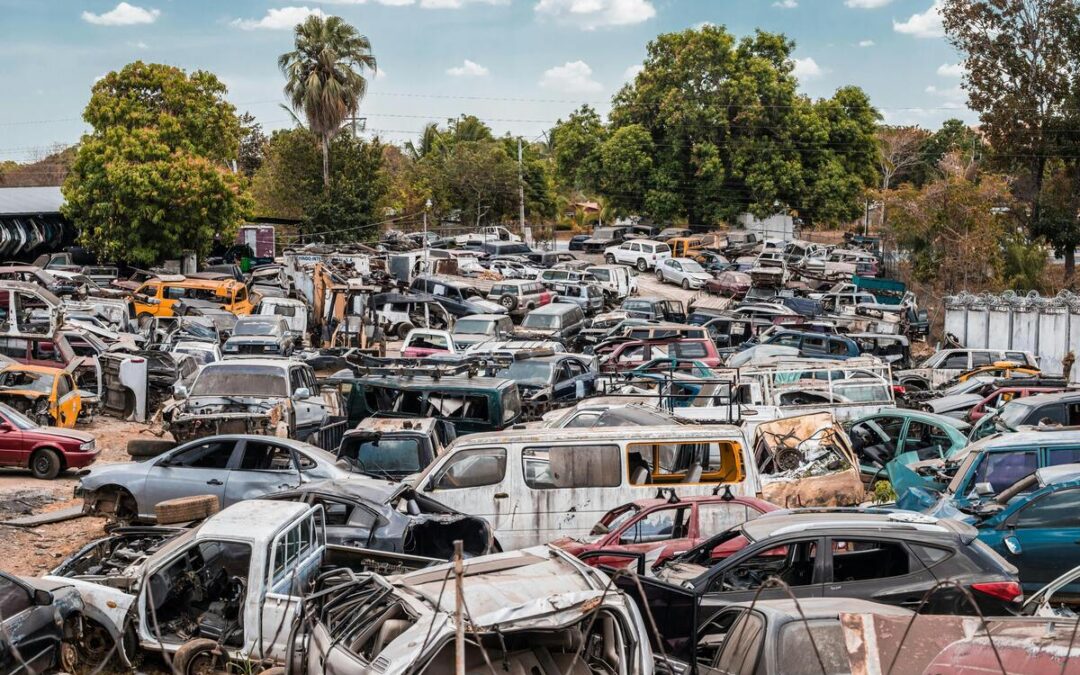
What Is the Difference Between a Car Breaker and a Scrap Yard?
A car breaker dismantles vehicles to resell working parts, while a scrap yard crushes cars for raw metal recycling. This single distinction explains most of the pricing gap between the two.
A breaker inspects your car and identifies which components still have resale value. This includes the engine, gearbox, alloy wheels, doors, and electronics. A scrap yard, by contrast, typically weighs your car and pays based on scrap metal tonnage alone.
If your vehicle still has usable parts, a breaker almost always offers a higher price than a standard scrap yard. For a closer look at how each business is licensed and regulated, see our full breakdown of scrap yards vs car breakers.
Why Choose a Breaker If You Want to Sell Damaged Car for Parts
Choosing to sell damaged car for parts through a breaker usually earns more than scrapping the whole vehicle. Breakers pay for individual components based on demand, not just metal weight.
For example, a low-mileage engine or a recently replaced clutch can be worth hundreds of pounds on its own. Brits Car Breakers assesses these details before quoting, rather than offering a flat scrap-only price.
This matters most for cars that are drivable or only partially damaged, such as after a minor collision or mechanical fault. Always confirm you’re dealing with a properly licensed car breaker, since only authorised operators can legally dismantle and resell vehicle parts.
Understanding Cat D Car Salvage and What It Means for Sellers
Cat D car salvage refers to a vehicle an insurer wrote off as uneconomical to repair, even though it may still be roadworthy. Insurers use categories (A, B, S, N) to record the severity of damage on a vehicle’s history.
A Cat D marker does not mean the car is unsafe or beyond use. Many Cat D vehicles are repaired and legally driven again, provided they pass an inspection.
Because of this, Cat D car salvage often holds real parts value, making a breaker the better option over crushing it at a scrap yard. Sellers should check a vehicle’s write-off category through the DVLA vehicle enquiry service before deciding how to proceed, since the category directly affects resale and salvage options. If you’re unsure what your insurer’s category means for your car, our guide to insurance write-off categories explains each one in plain terms.
How Payouts Compare: Breaker Prices vs Scrap Metal Rates
Breaker payouts are based on individual part demand, while scrap rates follow daily metal prices per tonne. This means breaker quotes can vary car to car, even for similar-looking vehicles.
A car with a recent MOT, low mileage, or newer parts will usually fetch more from a breaker. A heavily rusted or very old vehicle, with little resale value in its parts, may actually net more from straightforward scrapping.
Brits Car Breakers provides a free valuation so drivers can compare both routes before committing, rather than guessing which option pays better. For a deeper look at how these two figures are calculated, read our guide on scrap value vs salvage value.
When Standard Scrapping Makes More Sense Than Salvage
Standard scrapping is usually the better choice when a car has minimal usable parts left. This includes vehicles that are extremely old, heavily corroded, or have already been stripped of key components.
In these cases, a scrap yard’s metal-weight pricing is simple, fast, and avoids paying breaker-style assessment time for parts nobody will buy. It also suits owners who want same-day collection with no further inspection needed.
For everything else, particularly Cat D, Cat N, or accident-damaged cars with working components, a breaker generally offers better financial return.
Conclusion
Choosing between car breakers vs scrap yard comes down to your car’s condition and remaining part value. Damaged or Cat D vehicles often earn more through a breaker, while stripped or very old cars suit standard scrapping. Brits Car Breakers offers free valuations so you can compare both options and get the best possible payout for your vehicle.
Frequently Asked Questions
Is it better to sell my car to a breaker or a scrap yard?
It depends on the car’s condition. If parts like the engine, wheels, or electronics still work, a breaker will likely pay more than a scrap yard’s metal-weight price.
Can I still drive a Cat D salvage car?
Yes. A Cat D marker means an insurer judged repairs uneconomical, but the car can still be legally driven once it passes any required checks. It does not automatically mean the car is unsafe.
Do breakers take non-running or accident-damaged cars?
Yes. Brits Car Breakers collects non-runners, accident-damaged vehicles, and Cat D or Cat N write-offs, and pays based on any usable parts found during inspection.
Will I get paperwork proving my car has been disposed of correctly?
Yes. Both breakers and scrap yards should issue a Certificate of Destruction or confirm the car has been recorded as sold or scrapped, which protects you from future liability for the vehicle. Read our Certificate of Destruction explainer to see exactly what this document covers and why you need to keep it.
Do I need to notify the DVLA myself after selling to a breaker or scrap yard?
In most cases, no. A licensed operator will notify the DVLA on your behalf once the vehicle is collected. You can also confirm this has been done using our guide to notifying the DVLA after scrapping a car.