
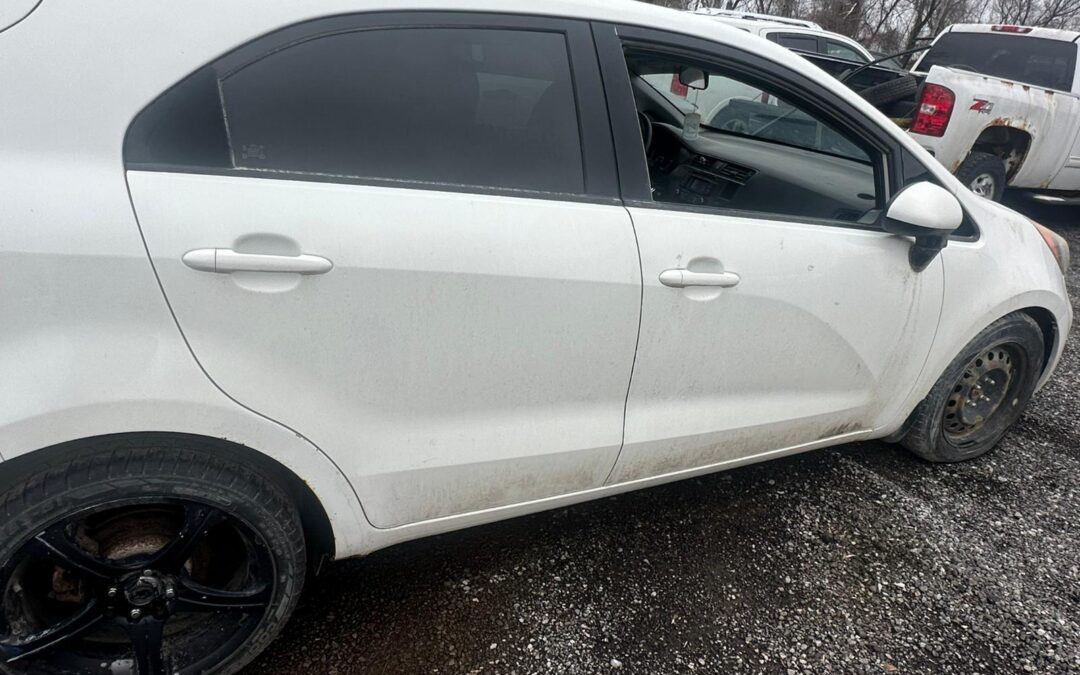
This guide covers how Lambeth’s low traffic neighbourhoods (LTNs) work, which zones affect which streets, and how to weigh scrapping against keeping an ageing vehicle on the road — including how to scrap a car in Lambeth the right way.
What Is an LTN and Why Does Lambeth Have So Many?
An LTN, or low traffic neighbourhood, uses cameras, bollards, and planters to block through-traffic on residential streets. Local residents can still drive to their own homes, but using the network as a route to somewhere else isn’t possible. Lambeth Council introduced most of its schemes during the pandemic to reduce pavement crowding and encourage walking and cycling, and the measures have stayed in place since.
The borough currently runs five permanent LTNs, alongside temporary networks and further proposals in progress. The permanent zones are Oval to Stockwell, Railton, Ferndale, Tulse Hill, and Streatham Hill.
The Lambeth LTN Zones Worth Knowing
Zone |
Where It Applies |
| Oval to Stockwell | Residential roads between the two stations, popular with commuters bypassing the main road |
| Railton | Covers Brixton — one of the borough’s earliest LTNs |
| Ferndale | Near Clapham High Street, with several camera-controlled filter gates |
| Tulse Hill | Quiet residential streets that were previously used as rat runs |
| Streatham Hill | Temporary planters recently converted to permanent gates, with further filters planned through 2026 |
If your postcode falls within Brixton, Clapham, Streatham, Tulse Hill, West Norwood, Herne Hill, Stockwell, Kennington, Vauxhall, or Oval, at least one of these filters is likely already shaping your daily route.
How LTNs Actually Change the Way You Use an Old Car
For a car that’s already on its way out, these changes tend to bite hardest:
- Longer journeys. A five-minute trip through a filter can become a fifteen-minute detour around it — extra mileage that adds wear to an old engine, brakes, and fuel costs.
- More chances to get a ticket. Drive through a filter by mistake and a penalty charge notice follows. Older drivers and anyone unfamiliar with a new layout are most likely to be caught out in the first months after a filter goes live.
- Trickier parking. LTNs often come with parking scheme changes, adding friction for anyone already struggling to find space for a car that’s difficult to manoeuvre.
- Lower resale value. Buyers who check a postcode against Lambeth’s LTN map before viewing a car may decide it isn’t worth the hassle, which can slow down a private sale considerably.
Signs It Might Be Time to Scrap the Car
Not every older vehicle needs to go because of an LTN. But a few signs point toward scrapping being the more sensible option:
- The car fails its MOT and repairs would cost close to what the vehicle is worth.
- Detours are adding noticeably more fuel and mileage than public transport or cycling would.
- The car isn’t ULEZ-compliant, so daily charges stack on top of everything else.
- Insurance and road tax now cost more than the car itself.
- The car barely gets used because most journeys are now on foot or by bus.
For a fuller breakdown of warning signs, see our guide on the top signs it’s time to scrap your car, and if a failed MOT is the trigger, our MOT failure repair vs. scrap comparison walks through the numbers in more detail.
Scrap the Car or Keep Driving It?
Factor |
Keep Driving |
Scrap the Car |
| Fuel and detour costs | Rises steadily as more filters are added | One-time decision, no ongoing cost |
| MOT and repairs | Old cars need frequent fixes | No more repair bills |
| ULEZ charges | Daily fee if non-compliant | Charge stops immediately |
| Fine risk | Higher with unfamiliar new routes | Removed completely |
| Cash in hand | None, only expenses | Instant payment for scrap value |
Drivers weighing ULEZ costs specifically against scrap value may also find our ULEZ charges vs. scrap value guide for South London useful, since it runs the same comparison with South London figures.
How to Scrap a Car in Lambeth the Right Way
Scrapping a car is straightforward, but doing it properly protects you legally and financially.
- Get a few estimates. Prices vary between scrap yards, so compare quotes before settling on one.
- Confirm it’s an Authorised Treatment Facility (ATF). Only an ATF can issue a Certificate of Destruction, proving the car has been legally decommissioned. Our guide on why an ATF matters explains what to check before booking.
- Notify the DVLA. Once the car is scrapped, make sure the DVLA is informed — otherwise you may remain liable for tax and insurance. See our step-by-step DVLA notification guide for exactly what to send and when.
- Ask about free collection. Reputable scrap yards remove the car from your property at no charge, which matters if it can no longer be driven.
- Keep the paperwork. Hold on to your Certificate of Destruction as proof the car was disposed of correctly — our Certificate of Destruction explainer covers what the document should include.
For a full list of what to have ready before collection, our guide on documents needed to scrap a car in London is worth a quick read, and the UK car scrapping regulations guide covers the legal requirements in more depth.
What You Can Expect to Get for an Old Car in Lambeth
Scrap value depends on the car’s weight, current metal prices, and any usable parts still inside it. A smaller hatchback typically fetches less than a heavier estate or van, and a car that can still be driven onto the recovery vehicle tends to command a slightly higher price than one that needs towing. Owners in low traffic neighbourhoods often get faster collection, since a car that can’t move easily risks racking up further fines the longer it sits.
Why Choose Brits Car Breakers in Lambeth
Brits Car Breakers is a licensed ATF operator collecting vehicles across Brixton, Clapham, Streatham, Tulse Hill, West Norwood, Herne Hill, Stockwell, Kennington, Vauxhall, and Oval — covering every LTN zone named above. Collection is free, quotes are based on your car’s make, model, condition, and current scrap prices, and every vehicle is processed through a licensed treatment facility with the DVLA paperwork handled on your behalf.
Get a free scrap car quote for Lambeth
Final Thoughts
Lambeth’s LTNs aren’t going anywhere, and the network is still expanding. If your ageing car can’t cope with the new road layout, keeps racking up fines, or has simply become too expensive to keep, scrapping it may be the simplest way forward. Anyone facing an LTN Lambeth scrap car decision should compare a couple of quotes and choose a provider that guarantees proper, licensed vehicle removal. Brits Car Breakers is one option worth considering for exactly that.
Frequently Asked Questions
What is a low traffic neighbourhood (LTN) in Lambeth?
An LTN uses cameras, bollards, and planters to stop through-traffic on residential streets while still allowing residents to drive to their own homes. Lambeth currently has five permanent LTNs: Oval to Stockwell, Railton, Ferndale, Tulse Hill, and Streatham Hill.
Does an LTN affect my car's resale value?
It can. Buyers researching a Lambeth postcode before viewing a car may see it falls inside an LTN and factor detours, fines, or parking changes into their offer, which can slow down a private sale.
Should I scrap my car if it's not ULEZ-compliant?
If daily ULEZ charges, combined with MOT and repair costs, now exceed what the car is worth, scrapping is often the more cost-effective route than continuing to pay the charge.
Where can I scrap my car near Brixton or Clapham?
Brits Car Breakers collects vehicles across Brixton, Clapham, Streatham, Tulse Hill, West Norwood, Herne Hill, Stockwell, Kennington, Vauxhall, and Oval, offering free collection and instant quotes throughout Lambeth
What documents do I need to scrap a car in Lambeth?
You’ll generally need the vehicle’s V5C logbook (or your registration details if it’s missing) and photo ID. See our documents needed to scrap a car in London guide for the full list.
How do I make sure my scrap car is disposed of legally?
Use a licensed Authorised Treatment Facility (ATF), which will issue a Certificate of Destruction and notify the DVLA on your behalf once the vehicle has been processed.