
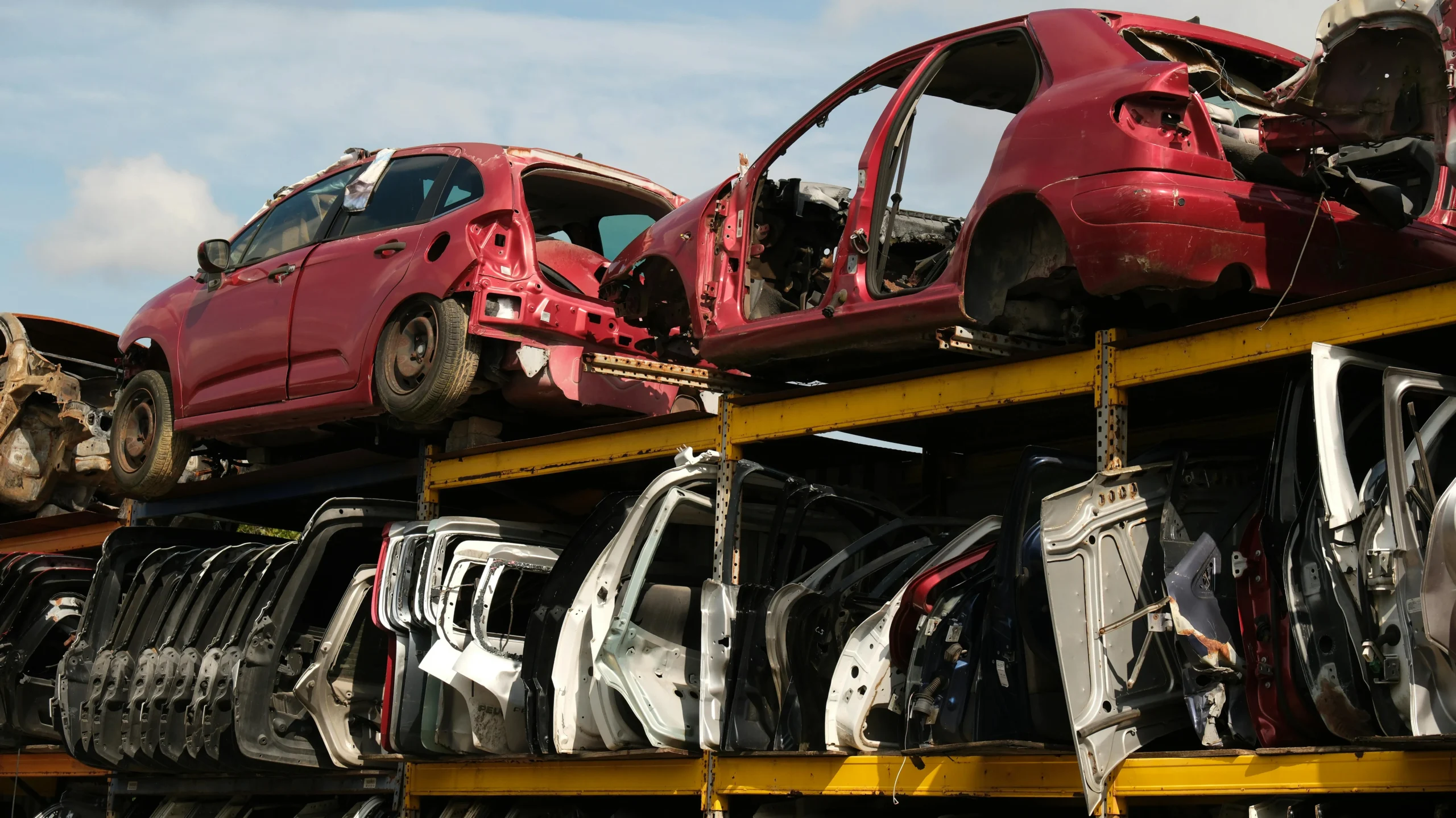
How do you scrap a car after someone dies?
To scrap a car after someone dies, the executor (or next of kin) tells the DVLA about the death, usually through the government’s Tell Us Once service. They then write to the DVLA to say the car is being sold to the motor trade, and hand the vehicle to an authorised treatment facility (ATF) that issues a Certificate of Destruction. A car is a chattel, so you generally don’t need to wait for probate to be granted, but you should record its value at the date of death for the estate. Any vehicle tax refund goes to the person you name to the DVLA.
This is general information, not legal advice. If the estate is complicated or contested, speak to a solicitor before you act.
Do you need probate before you can scrap a deceased person’s car?
In most cases, no. A car is classed as a chattel, a tangible, movable personal possession, so an executor does not normally have to wait for a grant of probate or letters of administration before selling or scrapping it. The authority to deal with the estate comes from the will (or from being the administrator if there is no will); the grant simply proves it.
There are a few situations where you should pause first:
- The will leaves the car to someone specific. Check with the executor and the beneficiary before it is scrapped.
- The car is on finance, lease or Motability. The finance or leasing company owns it, so it can’t simply be scrapped. Our guide to scrapping a car on finance explains what to do.
- Family members disagree. Get everyone’s agreement in writing, or take legal advice.
- The collector asks for proof of your role. Some buyers want ID plus a copy of the will, grant or other evidence that you are the executor or next of kin. Have these ready.
For the estate accounts, you will usually need the car’s market value on the date of death. Before it is collected, note the make, model, registration, mileage and condition, and take dated photos. A solicitor or probate service will tell you which valuation they need.
Step-by-step: what to do with the car after a death
- Tell the DVLA about the death. In England, Wales and Scotland, the registrar can give you a reference number for the Tell Us Once service, which lets you report the death to several government departments in one go, including the DVLA. If Tell Us Once isn’t available in your area, write to DVLA, Swansea, SA99 1AB with your relationship to the person, the date they died, and their name, address and date of birth. Include their driving licence if you have it. You don’t need to send a death certificate.
- Check who really owns the car. Look for finance, a lease or a Motability agreement. If any apply, contact that company first.
- Decide whether to keep a personalised number plate. If the car carries a private registration the family wants to keep, this must be dealt with before the vehicle is sold or scrapped. See our guide to keeping a private number plate before scrapping.
- Record the value and photograph the car for the estate, as above.
- Keep it insured, or declare it off the road. If the car will sit on a public road until collection, it needs insurance. If it is parked on private land, the executor can make a SORN. Our page on scrapping a SORN car covers this.
- Book collection with a licensed ATF. Scrapping a car anywhere other than an authorised treatment facility is illegal. Scrap dealers in the UK must pay by bank transfer, not cash.
- Complete the DVLA paperwork on or before collection day. With the V5C logbook, fill in the motor trade (sell, transfer or part-exchange) section and write to the DVLA Sensitive Casework Team explaining your relationship to the person who died, the date they died, and who should receive any tax refund. Give the collector the remainder of the V5C. Without the V5C, see the table below.
- Keep your proof. The ATF issues a Certificate of Destruction, which confirms the vehicle has been legally scrapped. Keep it with your copy of the DVLA letter. Read more in our guide to notifying the DVLA after scrapping.
What do you send the DVLA if you have, or don’t have, the V5C?
Situation |
What to do |
What to include |
|---|---|---|
| You have the V5C logbook | Complete the motor trade section, send it to the DVLA with a letter, and give the collector the rest of the V5C | Your relationship to the person who died, date of death, who should be paid any tax refund |
| You can’t find the V5C | Write to the DVLA Sensitive Casework Team, Swansea, SA99 1ZZ, to say the car has been sold | Date of sale, your relationship, date of death, tax refund payee, buyer’s name and address |
| The car is being kept | Tell the DVLA you are the new keeper and tax it in your own name straight away | New keeper details |
GOV.UK also notes that a buyer who sells a car on without a V5C may need to apply for a new one using form V62, which carries a fee. Our guide on scrapping a car without a V5C explains how this works in practice. Addresses and forms change, so confirm the current details on GOV.UK before posting anything.
Scrap, sell, keep or donate: which route fits?
Option |
Best when |
DVLA step |
Things to watch |
|---|---|---|---|
| Scrap via an ATF | The car is old, damaged, failed its MOT or isn’t worth repairing | Letter plus V5C motor trade section; ATF issues the Certificate of Destruction | Use a licensed ATF; payment by bank transfer |
| Sell to a dealer or online buyer | The car is roadworthy and has genuine resale value | Same notification as scrapping, naming the buyer | Compare offers; the buyer needs the paperwork |
| Keep it | A family member wants to drive it | Tell the DVLA you are the new keeper and tax it in your name | Insure it before driving; vehicle tax can’t be transferred |
| Donate to charity | You want the car to help a cause | Tell the DVLA separately when you donate | Complete the donation paperwork correctly |
If you’re not sure whether the car is worth more than scrap, our guide to storing, selling or scrapping an unused car can help you decide.
What happens to the road tax and insurance?
Vehicle tax cannot be transferred to a new owner. When you tell the DVLA about the death, you say who should be paid any refund, and the DVLA cancels the tax. Refunds are based on the full months of tax remaining, so the sooner the DVLA is told, the less you leave unclaimed. Our car tax refund guide explains how refunds are calculated, and what happens if a car has outstanding tax is worth reading if the tax lapsed.
Keep the insurance running until the car has physically left. Once the Certificate of Destruction is in your hands, you can cancel the policy and ask about any refund.
How much will it cost, and how long will it take?
Scrapping through a licensed ATF is usually free to arrange, and you receive the scrap value of the car. The price depends on:
- Make, model and weight, because heavier cars contain more recoverable metal
- Condition and completeness, since a car with a catalytic converter and major parts in place is worth more
- Current scrap metal prices, which move with the market
- Location, because collection distance affects what a buyer can offer
- Fuel type, as electric and hybrid cars need specialist battery handling
See our scrap car prices page and the guide to what buyers pay and why for more detail.
On timing, Tell Us Once is quick, but postal DVLA letters take longer, and tax refunds follow once the DVLA has your notification. The physical collection can often be arranged for the same or next day. Don’t let the paperwork wait for a convenient moment: do the DVLA notification on or before the day the car is collected.
Red flags to watch for
- Offers to pay in cash. UK law requires scrap dealers to pay by bank transfer or cheque.
- No proof of ATF status or a vague answer when you ask about licensing.
- No Certificate of Destruction, or a promise to “sort it later”.
- Asking you to sign a blank V5C or to hand over documents before payment is agreed.
- A price that drops at the door. Insist on a written quote and ask what could change it.
- Pressure to decide quickly. A reputable buyer understands that you are grieving.
Questions to ask before you book
- Are you an authorised treatment facility, or do you work with one?
- Will I receive a Certificate of Destruction, and when?
- How will I be paid, and when?
- What documents do you need from an executor, and can you collect without keys? (See scrapping a car without keys.)
- Is the quote fixed, or can it change on collection?
Our documents checklist for scrapping a car in London lists what to have ready, and our guide for elderly and disabled owners and their families covers more sensitive situations.
Why families and executors choose Brits Car Breakers
Brits Car Breakers helps executors and families across London deal with a loved one’s car without extra stress. We arrange scrap car collection in London, explain the paperwork in plain language, and make sure the vehicle goes through a properly authorised process that ends with a Certificate of Destruction. You can check the areas we serve, read how the free quote process works, or see our overview of UK car scrapping regulations.
A generalist buyer may only want the car. A specialist who deals with bereavement cases regularly will know what the DVLA needs, which documents to expect from an executor, and how to avoid the mistakes that leave a deceased person’s name on the vehicle record.
Frequently Asked Questions
Do I need probate to scrap a car?
Usually not. A car is a chattel, so an executor can normally arrange its sale or scrapping before probate is granted. Check the will, any finance agreement and the other beneficiaries first.
Who can scrap a deceased person’s car?
The executor named in the will, an administrator if there is no will, or next of kin acting with the family’s agreement. Expect to show ID and evidence of your role.
Can I scrap the car if I can’t find the V5C?
Yes. Write to the DVLA Sensitive Casework Team with the sale date, your relationship to the person who died, the date of death, who should receive any tax refund, and the buyer’s details.
Do I still have to tell the DVLA if I used Tell Us Once?
Yes. GOV.UK says you must still tell the DVLA separately when you sell or keep the vehicle, or keep a personalised registration.
Is the process different in Northern Ireland?
Yes. You tell both the DVA and the DVLA, and the forms and addresses differ. Check NI Direct for the current steps.
What if the car is on finance?
The finance company owns it until the agreement is settled. Contact them before arranging any collection.