
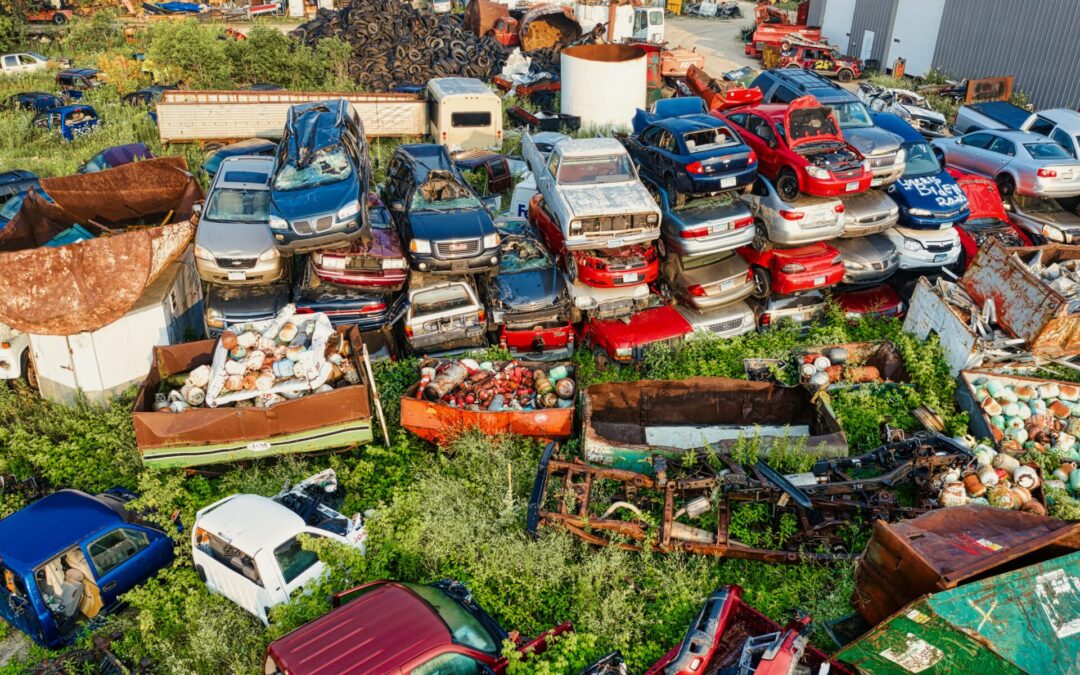
Every single year, many cars reach the end of their useful life cycle. This happens because the rust has taken over, the engine stops working, or there was an accident that makes repairing the car unfeasible. What will happen with the car after that is much more important than many people think. That is when the End-of-Life Vehicles Directive comes into play. It is the directive that determines how your car will be managed after it becomes unusable, and it is created to make sure that the car does not become an ecological disaster.
What The ELV Directive Actually Is
ELV Directive is an EU directive, enacted back in 2000. This is the regulation of how vehicles will be collected, managed and recycled at the point of being considered end-of-life. This means this is the set of rules that all recycling centers and scrap yards must abide by.
Even after the UK exited the EU, the regulation didn’t automatically disappear. The key provisions have been adopted into national legislation and remain valid until today. The current review of the scheme is ongoing, and the new scheme should be introduced in 2026-2027; however, until then, the old directive remains in effect.
Why This Rule Even Exists
The disposal of cars is not an easy task due to the presence of fuel, oils, brake fluids, batteries and many other components which are highly toxic to the environment when carelessly thrown out. Before the establishment of the directive, the problem of abandoned and scrapped cars had been a major concern. In England and Wales, hundreds of thousands of abandoned cars were costing millions of pounds every year to the councils for clearance.
The directive was created to solve the following three problems:
- Reduce the amount of waste generated during the process of scrapping of the vehicle
- Encourage the manufacturing companies to design environmentally friendly vehicles
- Reduce the use of hazardous chemicals like lead, mercury, and cadmium in the vehicles
How The Directive Protects Car Owners
This is the part most owners never think about, but it works directly in your favour.
Free Disposal Of Your Car
There are no costs associated with disposing of scrap vehicles. From 2007 onwards, it became legal for the last registered owner of a car to dispose of their car for scrapping at no cost, provided that it is done using an authorized facility. Should you be charged for merely receiving a car for disposal, that should ring an alarm bell to you.
Authorized Treatment Facility Only
According to this directive, only the Authorized Treatment Facility (commonly known as the ATF) can handle scrap cars in a legal manner. They require a valid license and they must adhere to environmental regulations that dictate the manner in which cars can be stored, drained and dismantled.
The CoD Will Be Your Safeguard
After draining the fluids of your car and processing it at the ATF, it is required that you get a Certificate of Destruction (CoD). The CoD is the most critical piece of paper that you can have throughout the entire procedure. It will confirm the fact that your car has been properly destroyed. That is important because:
- You won’t be chased for any future parking or speed camera fines associated with the vehicle
- You will not be billed for road tax or insurance for the car
- You won’t be held liable for anything illegal the car may do after turning it in
Strict Recycling Objectives
It is not only the case that manufacturers and scrap yards are expected to recycle appropriately, but also to do so according to their discretion. Specific figures need to be reached. The current objectives are set at 95 percent material recovery and 85 percent material recycling per individual vehicle. This implies that almost all of your car is recycled instead of being thrown into a landfill.
Limits On Dangerous Materials
Modern cars need to reduce the use of dangerous materials during production processes. That way, they will be able to avoid leakage of poisonous substances into the soil not only while the car is being used but also after its demolition. This is one of the silent provisions which ensure the safety of the entire recycling process.
Conclusion
Failing to perform any one of these tasks may make your life extremely difficult even when you are far beyond the purchase of that car.
The End of Life Vehicles Directive is much more than a mere formality; rather, this is exactly what makes your car be recycled in accordance with regulations, why you do not have to pay for its disposal, and why you remain legal in your actions after getting rid of your car. The understanding of how this works will give you the confidence to scrap your car without any trouble.
If you want an easy, legal and hassle-free solution for scrapping your car, Brits Car Breakers take care of everything, including delivery and providing you with a Certificate of Destruction.