
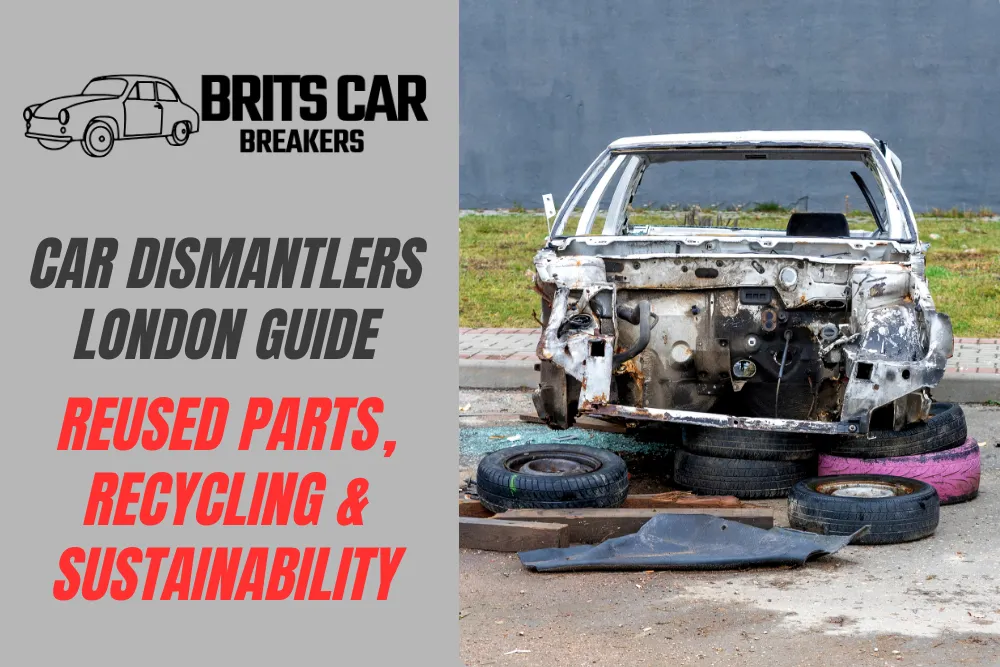
Few realise what happens once an ageing car can no longer be fixed. As repairs grow pricier and test after test fails, the end draws near. Most assume smashing metal is all there is. Yet in backyards across London, skilled hands pull out engines that still turn, lights that shine, gears that click just right. Nothing valuable goes unused.
Even oil and battery acid get siphoned off without a spill. Almost everything lives again somehow. Broken pieces find new life in someone else’s car, cutting costs through reuse. When curiosity strikes about what follows, this clear walkthrough lays it out step by step.
What Car Dismantlers Actually Do
A part-by-part takedown isn’t the whole story. Pulling out usable pieces comes first, after which the leftover shell gets handled responsibly.
Once the car shows up, workers who know what to do take a close look. If something inside still functions, it comes out undamaged. Motors might go into one ride, transmissions into another. Doors fit new frames. Lights brighten different roads. Bits like sensors or wiring? They spark again elsewhere.
Next comes the draining of substances such as oil, coolant, fuel, and brake fluid. Each one risks harming the earth and streams when spilt carelessly – handling them right keeps harm away.
Far beyond just one project, it feeds into how cars across the UK are broken down, with nearly every heavy part finding a new role rather than ending up buried.
What Happens After Your Car Is Collected
Many owners hand over the keys and never think about the next step. The auto recycling process follows a clear routine.
- The dismantler checks ownership and records the vehicle details.
- Next comes depollution. All fluids, the battery, and filters come out.
- Then technicians remove parts that still work. These items get cleaned, tested, and stored for resale.
- Finally, the remaining metal shell is crushed, and the metal is recovered.
Which Scrap Car Parts Get Reused
A car may be old or damaged, but many components still work perfectly. That is why dismantling focuses heavily on reuse.
Standard parts that get resold include:
- Engines and gearboxes
- Alternators and starters
- Doors, mirrors, and bumpers
- Headlights and taillights
- Alloy wheels and tyres
- Seats and interior trims
- Sensors and electronic modules
Why Proper Dismantling Is Better for the Environment
Cars contain a mix of metal, plastic, rubber, glass, and chemicals. If a vehicle is abandoned or handled by an unlicensed operator, these materials can cause severe damage.
Professional dismantling helps in several ways:
- Fluids are removed and treated safely
- Metals are recycled rather than mined again.
- Landfill waste stays low.
- Battery acid and air conditioning gases are correctly handled.
- Energy use stays lower compared to producing new me.
Legal Rules You Should Know about Scrap Car Removal
In London, you cannot just sell your old car to anyone. Vehicles that are no longer roadworthy are subject to strict regulations.
You must use an authorised treatment facility for end-of-life vehicles in London. Once the car is dismantled, the operator issues a Certificate of Destruction. This document confirms that the vehicle has been removed from the DVLA system.
Without this certificate, you could still be held responsible for taxes, fines, or misuse of the vehicle in the future.
How to Pick a Reliable Dismantler
Not every buyer works the same way. A few checks can save you trouble later. Look for a company that offers:
- Authorised Treatment Facility status
- Clear paperwork and ownership checks
- Free scrap car collection in London service
- Honest pricing without hidden charges
- A Certificate of Destruction after processing
- Good customer feedback
Selling Your Old Vehicle
If repairs cost more than the car is worth, dismantling is often the easiest option. Most companies that handle scrap car services in London work quickly.
The steps are straightforward:
- Share your car details
- Get a price based on weight and condition.
- Book a collection time
- Hand over the keys and documents
- Receive payment and confirmation.
Where the Recovered Parts Go
Once removed, usable components enter the resale market. This system supports everyday drivers, small garages, and rebuild specialists. Car parts salvage from London operations are sold through local workshops, online marketplaces, and repair networks. This helps keep older vehicles running longer and reduces demand for brand-new parts.
It is a simple cycle. One car reaches the end, but its parts help several others stay on the road.
The Bigger Picture of Vehicle Recycling
Modern dismantling plays a key role in reducing waste. A typical vehicle contains a large amount of steel, and recycling steel uses far less energy than producing it from raw materials.
By reusing parts and recycling metals, dismantlers help:
- Cut industrial energy use
- Reduce carbon emissions
- Lower the demand for new raw materials.
- Extend the life of the existing vehicle components
This is why dismantling is now seen as part of a circular system, where materials stay in use instead of being thrown away.
Conclusion
Once a car’s journey ends, taking it apart means more than removal. Pulling out working components happens alongside turning old metals into new resources, while trash gets sorted correctly. Choosing someone approved by the authorities makes everything smoother, cleaner, and legally sound. In London, for instance, Brits Car Breakers steps in – offering pickup, dealing with forms, guiding each step so nothing slips through cracks.