
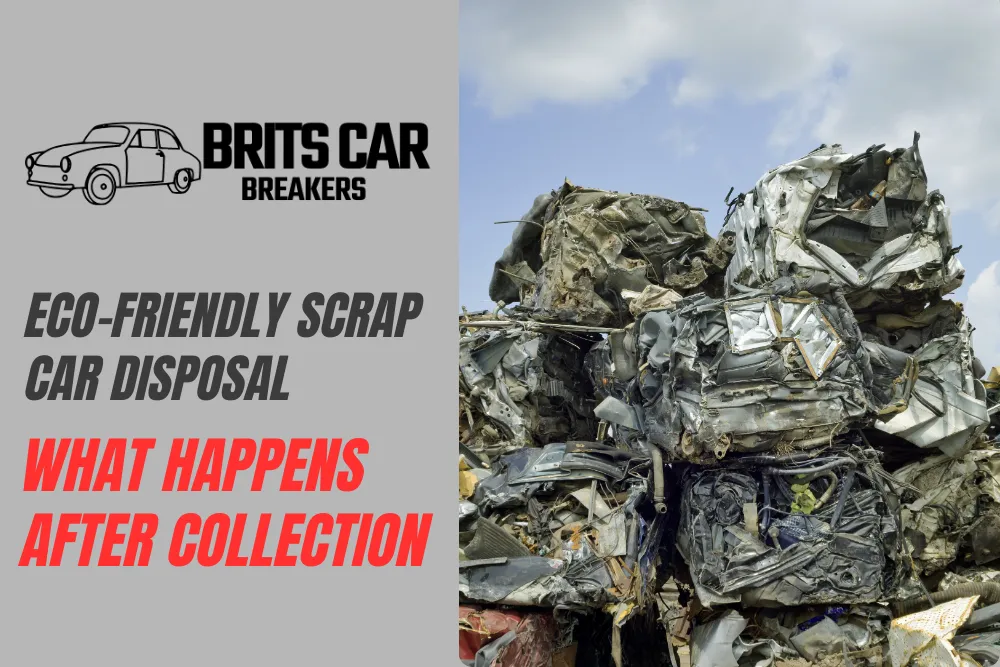
Once your used car is towed away, everything ends there. Things actually begin once they arrive. Instead of heading right to the crusher, that junk car takes a different path. Safety checks come first, followed by careful handling. Recycling plays a significant role throughout the journey. Each phase also considers nature’s well-being.
Out comes the liquid, then valuable pieces get pulled aside – much of what remains finds a new job later. The following shows that helpful recycling reduces waste and prevents it from entering the environment.
What Happens to Your Car After Collection
Here is what happens to your car after collection:
1. Arrival and Basic Checks
When the car arrives at the facility, staff record its details and inspect its condition. This step helps ensure proper records are kept and that the vehicle is processed legally.
The car is then placed in a holding area. Vehicles are handled in order so that each one goes through the whole process. Nothing is rushed straight to crushing.
This stage answers a common question about what happens after car collection. The vehicle undergoes preparation before any recycling begins.
2. Draining Fluids and Removing Hazardous Items
The first technical step is vehicle depollution. Cars contain liquids and components that can harm the environment if they leak.
Technicians safely remove:
- Engine oil and gearbox oil
- Coolant and brake fluid
- Fuel from the tank
- Air conditioning gas
- Power steering fluid
- Battery and other hazardous parts
3. Taking Out Parts That Can Be Reused
After fluids are removed, the team begins the auto dismantling process. Many parts still work even if the car itself no longer runs. Standard reusable parts include:
- Engine and gearbox
- Alternator and starter
- Doors, mirrors, and lights
- Wheels and tyres
- Seats and interior parts
- Electronic units
4. Crushing and Shredding the Remaining Body
Once functional parts are removed, only the metal shell remains. This marks the start of the main stage of the car recycling process.
The body is flattened and sent to a large shredder. The machine breaks the car into small pieces within seconds.
After shredding, different systems separate materials:
- Magnets pull out steel and iron
- Special systems separate aluminum
- Air flow removes lighter materials.
5. Recycling the Metal
Inside every car, metal takes up most space – nearly all of it finds new life later. Recycling those metals uses far less energy than producing new metal from untouched ore.
From old cars to fresh builds – melted steel and aluminum take on second lives. Often, they reappear quietly inside rooftops, kitchens, or engines down the road.
6. Handling Plastics, Glass, and Other Materials
Cars also contain plastic, rubber, foam, and glass. After metal is separated, these materials go through further sorting.
Some plastics are recycled into new products. Tyres may be turned into rubber granules used for road surfaces or construction work. Glass from windows can also be cleaned and reused where possible.
7. Final Waste Handling and Environmental Control
Any material that cannot be recycled is handled through controlled waste systems. Recycling centres must follow strict environmental and safety rules.
These include:
- Safe storage of fluids and hazardous waste
- Sealed working areas to prevent ground contamination
- Proper waste transfer records
- Regular inspections
Conclusion
Picking the correct provider makes a difference. Firms such as Brits Car Breakers take away unwanted cars using licensed sites, working with care so each vehicle is processed without harming soil, rivers, or raw materials. That worn-out automobile isn’t just destroyed. Instead, it enters a system in which trash transforms meaningfully, leaving minimal ecological traces.