
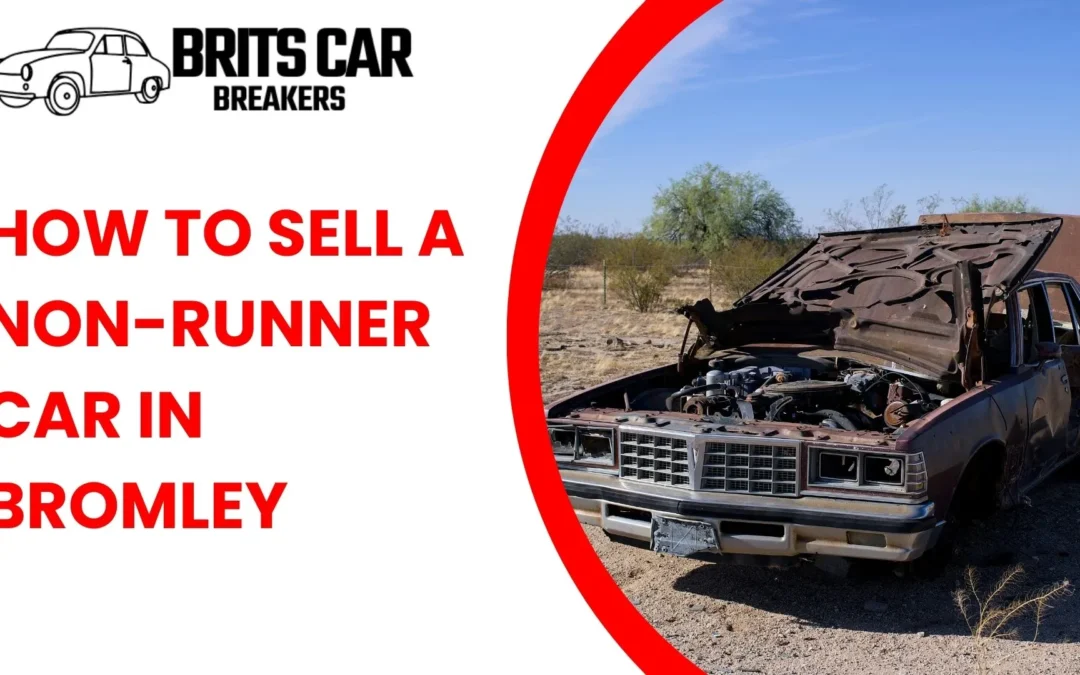
A dead car outside a Bromley home rarely stays a small problem. Tight street parking near Bromley North. Busy school runs around Hayes. Weekend traffic near High Street. All these make an unusable vehicle feel heavier than scrap metal. Many residents hold on longer than they should. Repair quotes rise. MOT failure letters stack. Neighbours start noticing. Yet value still hides inside that silent machine. Parts carry demand. Metal carries a price. Buyers operate across the borough every day. Knowing how local sale routes work can turn stress into quick relief. This guide breaks down real steps Bromley drivers can follow when a vehicle stops moving yet still holds value.
What Qualifies As A Non-Runner Vehicle
A non-runner vehicle refers to any car that cannot safely operate on public roads. Some fail mechanically. Others suffer accident damage or electrical issues. A few simply deteriorate after long idle periods. Buyers usually assess the usability of parts rather than road performance.
Common situations include
- Engine seizure or major gearbox fault
- Long term disuse leading to system failure
- Structural accident impact
- Repeated MOT failure with high repair cost
- Severe battery or fuel system problems
Recognizing the condition category helps owners select a suitable selling path.
Why Local Selling Options Work Better In Bromley
Local disposal routes often shorten the overall process. Buyers familiar with Bromley roads can organize quicker collection logistics. Transport planning becomes easier for vehicles stuck in tight parking zones. Many local operators understand borough parking rules and access challenges.
Nearby transactions also reduce towing charges. Faster response times help owners clear space without prolonged waiting. Direct communication improves clarity during pricing discussions.
Preparing a Non-Working Vehicle Before Sale
Basic preparation increases buyer confidence. Small practical actions create a stronger first impression during inspection. Preparation does not require expensive repairs.
Follow these practical steps.
- Remove personal belongings completely
- Organize service records if available
- Clean the interior space lightly
- Photograph damage honestly
- Note visible faults clearly
Transparency often results in a smoother negotiation outcome.
Essential Documents Required For Sale
Proper documentation prevents legal complications. Missing paperwork can delay the transfer process or reduce the buyer’s trust level. Every seller should confirm document availability before accepting offers.
Required paperwork usually includes
- V5C registration document
- Identity proof with address confirmation
- Service history if maintained
- Valid MOT certificate if applicable
- Finance settlement confirmation where relevant
Accurate records protect the seller from future liability.
Where Bromley Owners Can Sell a Non-Runner Car
Different selling routes exist depending on urgency level and vehicle state. Each option offers unique advantages.
- Direct salvage buyers: Specialist buyers purchase damaged or scrap vehicles quickly. They usually provide instant quotations and arrange collection.
- Online listing platforms: Digital marketplaces allow exposure to a wider audience. However, negotiation cycles may extend due to condition concerns.
- Private enthusiast buyers: Some hobby mechanics purchase repairable vehicles. This path may deliver a higher return, yet requires patience and availability.
How Valuation Works for Non-Running Vehicles
Pricing rarely follows standard used car valuation models. Buyers estimate worth based on salvage potential rather than driving performance. Vehicle weight also influences scrap calculation.
Key pricing determinants include
- Brand and production year
- Degree of mechanical failure
- Market demand for spare components
- Metal recovery value
- Accessibility for transport removal
What Happens During the Collection Process
After agreement finalization, collection scheduling begins. Most buyers conduct a quick verification inspection on arrival. Payment method confirmation occurs before vehicle removal.
The typical collection procedure includes
- Identity verification
- Condition confirmation
- Payment completion
- Ownership transfer notification
The entire process usually concludes within a short time frame when preparation remains complete.
Legal Responsibilities When Selling a Non-Runner
Vehicle disposal requires formal notification under UK regulations. Ignoring legal duties may result in fines or ownership disputes later.
Mandatory compliance actions include
- Inform DVLA regarding ownership change
- Cancel road tax where applicable
- Update insurance provider records
- Verify buyer registration legitimacy
When disposal becomes more practical than repair
Some vehicles reach a stage where repair investment outweighs residual value. Continuing ownership may create an ongoing financial burden. In such cases scrap car removal becomes rational solution.
Disposal makes sense when
- Repair estimate exceeds market worth
- Structural safety remains compromised
- Multiple MOT failures persist
- Engine replacement cost proves excessive
Practical Tips To Secure Better Sales Outcomes
Strategic approach improves negotiation position even for damaged vehicles. Thoughtful preparation often influences final offer value.
Useful strategies include
- Compare quotations from several buyers
- Provide accurate condition disclosure
- Avoid rushed acceptance decisions
- Confirm payment method before agreement
- Clarify collection cost responsibility
Conclusion
Selling a non-runner vehicle in Bromley becomes manageable when owners understand correct steps and local market behaviour. Proper preparation, clear documentation, and realistic pricing expectations simplify the entire experience. Many residents choose dependable local operators for convenience and clarity. Among available options, services such as Brits Car Breakers often attract attention due to straightforward handling and reliable collection support.