
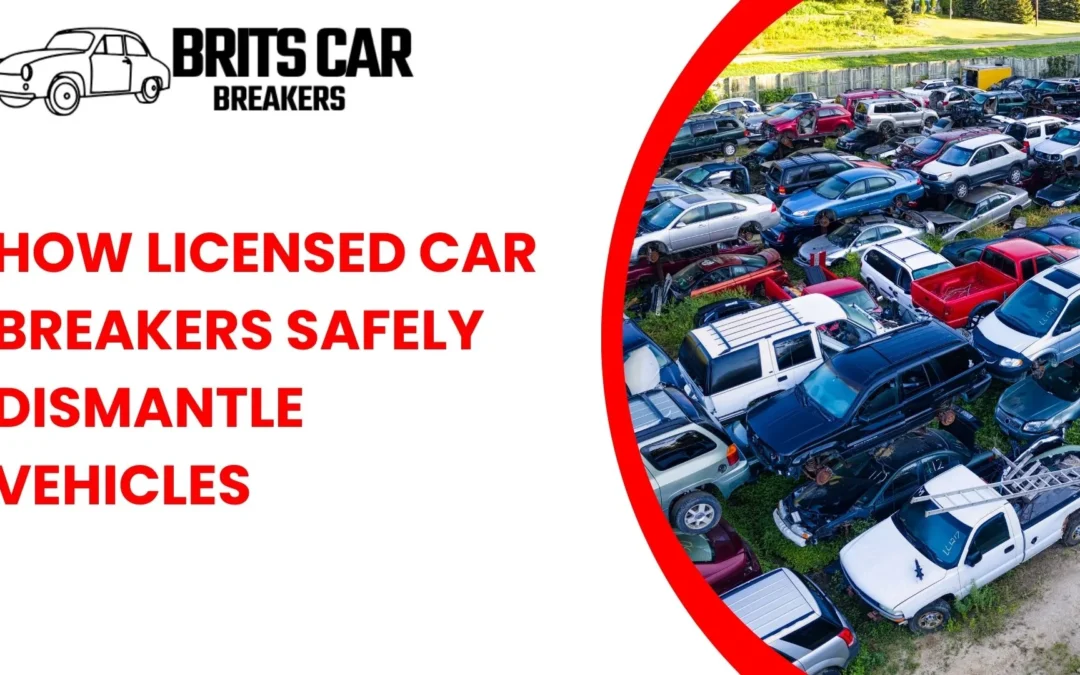
When a vehicle reaches the end of its road, it does not just become a pile of junk; it becomes a complex puzzle of hazardous waste and valuable resources. Many people think scrapping a car is as simple as crushing it into a metal cube, but the reality is much more detailed.
Choosing licensed car breakers is not just about staying on the right side of the law; it is about ensuring that toxic fluids do not end up in our soil and that every usable part gets a second life. In a world where sustainability is no longer optional, understanding how these professionals safely take apart a car is essential for every vehicle owner.
This guide walks you through the professional dismantling process, explaining why expertise and licensing are the only ways to handle a scrap car responsibly and provide peace of mind.
5 Essential Stages of the Professional Vehicle Dismantling Process
If you are wondering exactly what happens once a car enters a licensed yard, it generally follows a strict five-step flow. This sequence ensures that nothing is missed and that every safety protocol is met before the metal is finally crushed. Here is how the pros handle it:
1. De-pollution and Fluid Removal
Before a single bolt is turned for parts, the car must undergo de-pollution. This is arguably the most dangerous part of the job. Cars are full of liquids that are incredibly harmful to the environment if they leak. Licensed breakers use specialized rigs to drain these fluids in a contained environment.
- Fuel and Oil: Petrol, diesel, and engine oils are sucked out using vacuum systems to prevent any spills on the ground.
- Coolants and Anti-freeze: These are highly toxic to local wildlife and are stored in sealed, labelled containers for specialist disposal.
- Brake and Transmission Fluids: These hydraulic fluids are corrosive and require careful handling to prevent contamination of other recyclable materials.
- Air Conditioning Gases: Professionals use recovery tanks to capture refrigerant gases, preventing them from escaping into the atmosphere and damaging the ozone layer.
2. Safely Handling Explosive and Hazardous Components
Modern cars are safer for passengers because of pyrotechnic devices, but these same features make them a hazard for a dismantler. Airbags and seatbelt pretensioners contain small explosive charges. A licensed breaker knows exactly how to safely deploy or remove these units without causing injury.
Batteries are another major concern. Whether it is a standard lead-acid battery or a massive lithium-ion pack from an electric vehicle, these cannot just be tossed aside. They contain acids and heavy metals that require dedicated storage areas. Licensed facilities ensure these are sent to specialist plants where the lead and chemicals are reclaimed and reused in new products.
3. Salvaging Quality Parts for a Second Life
One of the biggest wins for the environment is the reuse of parts. Once the car is “dry” and safe, the team begins the harvest. High-value items like engines, gearboxes, and alternators are removed and tested.
Component |
What Happens to It? |
| Engines & Gearboxes | Tested, cleaned, and sold as green parts for repairs. |
| Body Panels | Doors, hoods, and bumpers are checked for dents and resold. |
| Electricals | ECUs, sensors, and infotainment systems are recovered. |
| Catalytic Converters | Processed to recover precious metals like platinum and palladium. |
4. Metal and Material Recovery
After the valuable parts are gone, the remaining shell is mostly metal, glass, and plastic. This is where the car finally meets the baler or shredder. However, even here, car recycling safety is a priority.
The bare metal shells are crushed to make transportation more efficient. These “bales” are sent to massive shredding plants where magnets separate the iron and steel from non-ferrous metals like aluminum and copper. Even the glass from windows and the plastics from the dashboard are increasingly being separated and sent for specialized recycling rather than ending up in a landfill.
5. Legal Paperwork and Your Certificate of Destruction
The job is not finished until the paperwork is done. This is a part of the process where many car owners get caught out. When a licensed breaker takes your car, they are required to issue a Certificate of Destruction or CoD.
This document is your golden ticket. It is the only legal proof that you are no longer the owner of the vehicle and that it has been destroyed. Without it, you could still be liable for traffic fines, road tax, or insurance issues. A professional setup will link directly to the government databases to update the vehicle record instantly, making the scrap car removal process completely stress-free for you.
Conclusion
The journey from a driveway to a recycling plant is a complex one that relies on the expertise of licensed professionals. By choosing an Authorised Treatment Facility, you ensure that every hazardous fluid is contained, every safety risk is managed, and every piece of metal finds a new home. It is the most responsible way to handle a vehicle that has reached the end of its life.
If you are looking for a team that handles every step with care and compliance, companies like Brits Car Breakers offer a reliable way to ensure your old vehicle is dismantled the right way.