
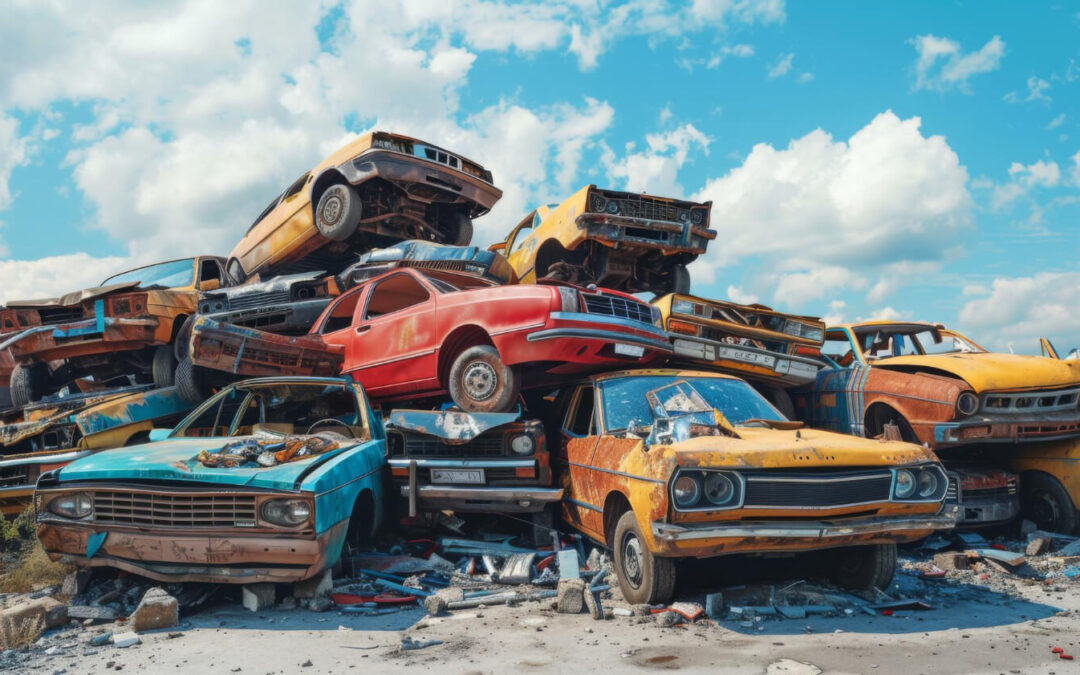
A proper dismantling process protects the environment, removes harmful fluids and allows reusable parts to return to the market. It also helps owners recover value from a vehicle that may no longer be worth repairing. Many drivers do not fully understand how dismantling works or what rules apply in the UK. If you are planning to dispose of an old or damaged car, this guide explains how professional dismantling works in London and why using the right service matters.
What Professional Vehicle Dismantling Actually Means
Vehicle dismantling is the structured process of taking apart an end-of-life vehicle so its parts and materials can be reused, recycled or disposed of safely. Instead of crushing the vehicle immediately, dismantlers carefully remove usable components and hazardous materials first. Typical parts removed during dismantling include:
- Engines and gearboxes
- Doors, mirrors, and panels
- Alternators and starter motors
- Catalytic converters
- Electronic modules
- Wheels and tyres
Why Vehicle Dismantling is Important in a Large City Like London
London has one of the highest vehicle densities in the UK. As cars age, many eventually become uneconomical to repair. Without a regulated dismantling system, abandoned vehicles could quickly become an environmental and safety problem. Professional dismantling helps solve several issues at once:
- Environmental protection: Cars contain fluids such as engine oil, coolant and brake fluid. These substances can damage soil and water if they leak.
- Recycling valuable materials: Modern vehicles contain steel, aluminum, plastics and electronics that can be reused.
- Affordable replacement parts: Many dismantled vehicles provide working parts that help other drivers repair cars at a lower cost.
- Reduced landfill waste: Most vehicle materials can be recycled, which keeps large amounts of waste out of landfills.
How the End of Life Vehicle Process Works
The end-of-life vehicle process in the UK follows a regulated structure to ensure cars are disposed of safely. Here is how the process usually works:
Step 1: Vehicle collection or drop off
The owner contacts a licensed dismantler. The vehicle may be delivered to the yard or collected by the company.
Step 2: Ownership verification
The dismantler confirms ownership using the V5C logbook or other documents.
Step 3: Depollution stage
This is one of the most important steps. Technicians remove fluids and hazardous components such as
- Engine oil
- Fuel
- Brake fluid
- Coolant
- Air conditioning gases
- Car batteries
Step 4: Parts dismantling
Reusable parts are removed, tested and stored for resale.
Step 5: Metal recycling
The remaining vehicle shell is crushed and sent to metal recycling facilities.
UK Rules That Control Vehicle Dismantling
Vehicle dismantling in the UK is regulated to prevent illegal disposal and environmental damage. The main rules come from the End of Life Vehicles Regulations. Key requirements include:
- Vehicles must be dismantled at licensed sites
- Hazardous materials must be removed safely
- Recycling targets must be met
- Owners must receive official disposal documentation
Signs You Should Consider Dismantling Your Vehicle
Sometimes owners struggle with whether to repair or dispose of a car. A few common signs indicate dismantling may be the better option.
- Major accident damage: If structural damage is severe, repair costs may exceed the car value.
- Engine or gearbox failure: Replacing major components can be very expensive.
- Repeated mechanical problems: Older vehicles often require frequent repairs.
- Failed emissions or safety tests: Some vehicles cannot be economically brought into compliance with inspection requirements.
- Extremely high mileage: Cars with very high mileage often reach a point where repairs no longer make financial sense.
What Happens to the Parts After a Car is Dismantled
One of the benefits of dismantling is that many components remain fully functional. Parts recovered from dismantled cars are usually:
- Cleaned and inspected
- Tested for working condition
- Catalogued in inventory systems
- Sold as used replacement parts
How to Choose a Reliable Car Dismantler in London
Not all dismantlers operate with the same standards. Choosing the right company protects both your vehicle records and the environment. When evaluating car dismantlers, London drivers should look for a few key signs:
- Licensing and certification: The dismantler should operate under environmental permits.
- Clear documentation: You should receive official confirmation that the vehicle has been dismantled.
- Proper recycling process: Responsible companies explain how parts and materials are handled.
- Transparent payment structure: If the vehicle still has value, the dismantler should explain how payment is calculated.
- Good customer reviews: Consistent positive feedback often indicates trustworthy service.
Vehicle Recycling and Environmental Impact
Cars contain a surprising amount of recyclable material. A large portion of every dismantled vehicle can be reused. Typical recycling outcomes include:
Material |
What It Becomes |
| Steel | New vehicle parts construction materials |
| Aluminium | Engine parts beverage cans |
| Plastic | Automotive components consumer products |
| Glass | Insulation or recycled glass products |
Options for Owners Who Want to Dispose of a Vehicle
Drivers who need to dispose of a car usually have several options depending on the condition of the vehicle. Common choices include:
- Selling the vehicle privately: This works if the car still runs and has market value.
- Trading the vehicle at a dealership: Dealerships may accept the car as a trade-in, but often offer a lower value.
- Selling to dismantlers: This is common when vehicles have major damage.
What Documents Are Needed to Dismantle a Vehicle
Vehicle owners should prepare a few documents before arranging dismantling.
Typical requirements include
- V5C vehicle logbook
- Proof of identification
- Vehicle keys, if available
Conclusion
Professional vehicle dismantling is more than just breaking apart an old car. It is a regulated process that protects the environment, recovers useful parts and ensures vehicles are disposed of legally. For London drivers dealing with an old, damaged, or unwanted vehicle, understanding this process makes it easier to choose the right solution.
Working with experienced dismantlers helps ensure the vehicle is processed safely and responsibly. Companies such as Brits Car Breakers provide services that guide owners through the dismantling process while making sure vehicles are handled in line with UK regulations.
Frequently Asked Questions
What is vehicle dismantling and how does it work in London?
Vehicle dismantling is the process of safely breaking down end-of-life cars to recover reusable parts and recycle metal. In London, it follows a structured process including identity checks, depollution, part removal, and recycling.
Is vehicle dismantling in London regulated by law?
Yes, all dismantling must be done through licensed Authorised Treatment Facilities (ATFs). These facilities follow strict environmental and safety regulations to ensure proper disposal of fluids, parts, and materials.
What happens to my car after it is dismantled?
After dismantling, reusable parts like engines and gearboxes are removed and tested, while the remaining metal shell is crushed and recycled. This helps reduce waste and supports eco-friendly vehicle disposal.
Do I receive any documents after vehicle dismantling?
Yes, once your car is dismantled at a registered facility, your details are updated with the DVLA and you receive confirmation that the vehicle is no longer on the road, protecting you from future liability.
Can I sell a non-running or damaged car for dismantling in London?
Absolutely. Most car breakers accept non-running, accident-damaged, or MOT-failed vehicles, as they still hold value in parts and recyclable materials.