
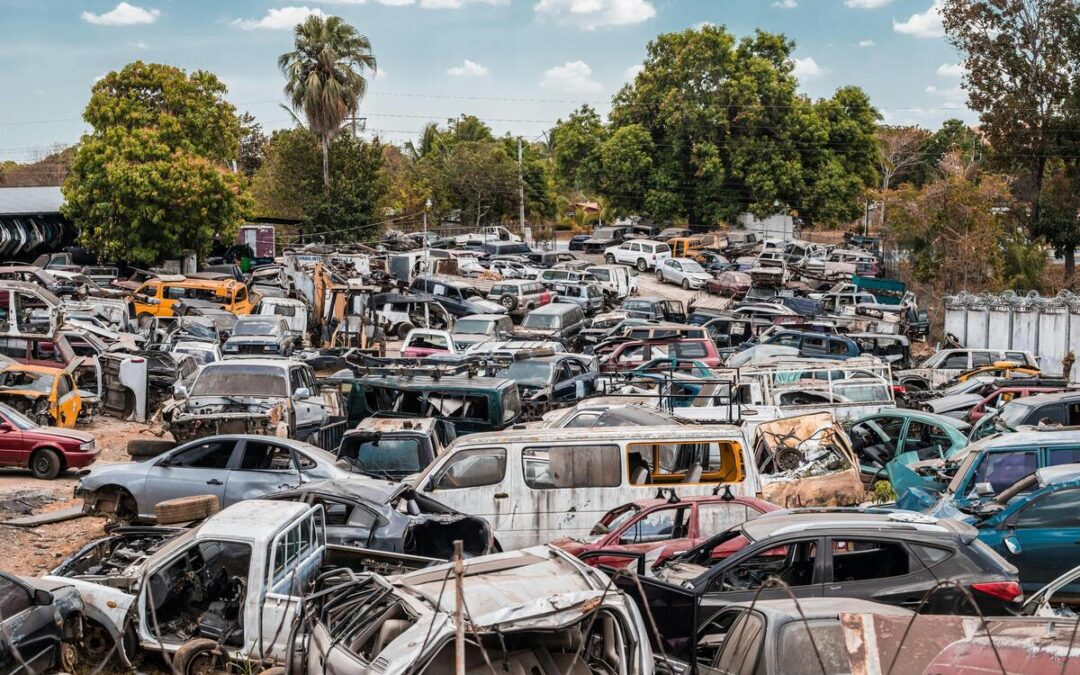
Winter is hard enough on London homes without having to squeeze past old tyres, tools you don’t use and a car nobody has driven for months. Shorter days and colder, wetter weather turn a cluttered garage or driveway into a daily annoyance. You also need room to park your current car and store wet outdoor kit.
The biggest item is usually the car. Sort that first and the rest of the clearout gets much easier. This checklist covers the areas people often miss, from the DVLA paperwork to bulky waste and collection day.
1. Start with your biggest item: the car
An old spare car can take up space for months. Perhaps you meant to repair it, forgot to sell it, or just stopped using it. Ask yourself:
- Has it moved in the last three months? If not, you may not need it.
- Does it have a valid MOT? If not, it may not be roadworthy, and the cost of getting it through could outweigh its value.
- Are repairs getting expensive? Compare the cost of getting it running with what it is worth afterwar
- ds.
- Is it blocking a space another car in your household could use?
- Is there a real plan to fix it, with a date?
Cars left on a driveway deteriorate quickly: flat batteries, damaged tyres, corrosion and perished seals are all common. The table below helps you decide.
Your situation |
Usually the best option |
| Small, cheap fault, and you still use the car | Repair it |
| You’ll drive it again within a few months | Store it properly (see our guide to storing a car over winter) |
| Failed its MOT and repairs are costly | Scrap it. Our repair vs scrap MOT guide helps you compare |
| Major engine or gearbox fault, or it has sat unused for a long time | Scrap it |
| You have another car and no plan for this one | Sell or scrap it. See store, sell or scrap an unused car |
Don’t keep spending just because you’ve already invested in the car. Ask what it will cost from this point forward.
If scrapping makes more financial sense, Brits Car Breakers can arrange scrap car collection across London for old, damaged, non-running and MOT-failed cars. You can also check scrap car prices in London before you decide.
2. Sort your garage
Garages quietly become storage units for broken lawnmowers, old furniture and unopened boxes. Clear everything you can move and sort it into four piles:
Category |
What to do |
| Keep | Store tools, seasonal equipment and useful household items |
| Sell | List working equipment, spare parts and furniture you no longer need |
| Donate | Give usable items to local charities and community groups |
| Dispose | Arrange proper disposal for broken, damaged or unsafe items |
You should be able to reach the garage door, sockets and your essentials without stepping over boxes or heavy items.
3. Clear your driveway
A driveway that works fine in summer can become a problem once rain, fallen leaves and frost arrive. Walk round it and check that:
- No loose paving slabs are creating trip hazards.
- Leaves are cleared from parking areas, corners and surface drains.
- Old tyres are removed and disposed of properly.
- Lawnmowers, hoses and other garden equipment are stored away.
- Sharp or heavy items, such as car parts and scrap metal, are out of the way.
- You can open your car doors fully and walk around the car.
4. Get the scrapping paperwork right
If you’re scrapping a car, follow the correct process:
- Use an Authorised Treatment Facility (ATF). Only an ATF can legally scrap your vehicle. Brits Car Breakers works through licensed ATFs.
- Have your V5C logbook ready. Hand over the V5C but keep the yellow “sell, transfer or part-exchange your vehicle to the motor trade” section. No logbook? See scrapping a car without a V5C.
- Make sure the DVLA is told. Brits Car Breakers completes the DVLA update for you, and our guide explains what happens after you scrap.
- Keep your Certificate of Destruction. The ATF should issue it within seven days of fully scrapping a car. Here’s what the certificate means.
- Check your vehicle tax. You may be due a refund for full unused months. See our car tax refund guide.
Payment tip: scrap dealers can’t legally pay cash for a scrap car in England and Wales. Payment should be by bank transfer or cheque.
For the official steps, see the GOV.UK guide to scrapping a vehicle. Our UK car scrapping regulations guide covers the rules in plain English.
5. Make room for your winter essentials
With the clutter gone, give the space to things you’ll use between now and spring:
- Car care kit: tyre pressure gauge, screen wash, de-icer and cleaning basics.
- Wellies and outdoor shoes: keep them by the entrance.
- Garden items: hoses and watering cans stored away.
- Tools: wall hooks or a proper cupboard.
- Emergency items: torch, jump leads and a first aid kit.
6. Give your everyday car a winter check
London winters mean heavy rain, fog, cold mornings and poor visibility. Once the old car is sorted, check the one you actually drive:
Component |
What to check |
| Tyres | Tread depth, pressure and visible damage |
| Battery | Signs of slow starting. Arrange a test if needed |
| Windscreen | Chips, cracks and worn wiper blades |
| Screen wash | Top up with a winter-suitable fluid |
| Lights | Headlights, brake lights, indicators and fog lights |
| Brakes | Unusual noises or changes in braking performance |
| Fluids | Engine oil and coolant, per the manufacturer’s guidance |
The legal minimum tyre tread in the UK is 1.6mm across the central three-quarters of the tyre. Many motoring organisations recommend replacing tyres before they get that low in winter, often at around 3mm. The Met Office’s winter road safety guide also covers tyres, lights and screens.
7. Dispose of the rest responsibly
Old furniture, tyres, scrap metal and broken items often can’t go in your normal household collection. London has 32 borough councils plus the City of London, and their rules differ, so check your own council first. Hounslow, for example, runs a paid bulky waste collection service with its own booking and eligibility rules.
Your options include:
- Taking accepted waste to your local reuse and recycling centre.
- Booking a council bulky waste collection.
- Donating working furniture and appliances to local charities.
- Using a registered waste carrier.
- Arranging collection of the unwanted vehicle.
8. Prepare your driveway for collection day
Narrow roads, parked cars and tight access can make collecting a vehicle in London tricky. A few simple checks avoid delays:
- Move bins, bikes and loose items.
- Leave enough space for the collection vehicle to get close.
- Remove personal items from the car, including the boot and glovebox.
- Have your keys and documents ready. No keys? See scrapping a car without keys.
- Tell the collection team about flat tyres, missing wheels or steering problems.
- Mention gates, narrow entrances or height restrictions.
- Arrange to move any car parked in front of the one being collected.
Access details are especially useful in boroughs such as Hackney, Camden, Croydon, Wandsworth, Bromley and Tower Hamlets. You can see every area we serve. Our guide to how long scrap car collection takes in London will help you plan the day.
Remove an unwanted car from your driveway with Brits Car Breakers
If you’ve decided not to repair the car, there’s no reason to let it take up space all winter. Brits Car Breakers collects unwanted, damaged, non-running and MOT-failed cars across North, South, East, West and Central London. Collection is free, and payment is by bank transfer.
Whether the car is parked in Bethnal Green, Croydon, Camden, Stratford, Enfield or anywhere else in London, we can come to you. Prefer to see the full process first? Read our guide to getting rid of an unwanted car on your driveway.
Frequently Asked Questions
When should I clear my garage and driveway before winter in London?
Ideally by the end of November, before the first frosts and heavier rain arrive. Clearing early gives you time to book a bulky waste collection, sort out paperwork and arrange car collection if you need it.
How do I know if my old car is worth scrapping instead of repairing?
Compare the repair bill with what the car would be worth once fixed. If it has failed its MOT with costly repairs, has a major engine or gearbox fault, or has sat unused for months, scrapping is usually the more sensible choice.
What paperwork do I need to scrap a car in London?
You’ll usually need your V5C logbook, keeping the yellow section, plus ID and the keys if you have them. The ATF should issue a Certificate of Destruction within seven days, and the DVLA must be told the car has been scrapped. Brits Car Breakers completes the DVLA update for you.
Can I be paid cash for a scrap car?
No. Scrap dealers can’t legally pay cash for a scrap vehicle in England and Wales, so payment should be by bank transfer or cheque. Brits Car Breakers pays by bank transfer.
Does Brits Car Breakers collect scrap cars near me in London?
Yes. Brits Car Breakers is based on Cambridge Heath Road in Bethnal Green and collects unwanted, damaged, non-running and MOT-failed cars across North, South, East, West and Central London. Collection is free. Call +44 7506 646552 or request a quote online.
How should I prepare my driveway for a scrap car collection?
Move bins, bikes and loose items, remove your belongings from the car, and have the keys and documents ready. Tell the collection team about flat tyres, narrow gates, height limits or any car parked in front of the one being collected.