
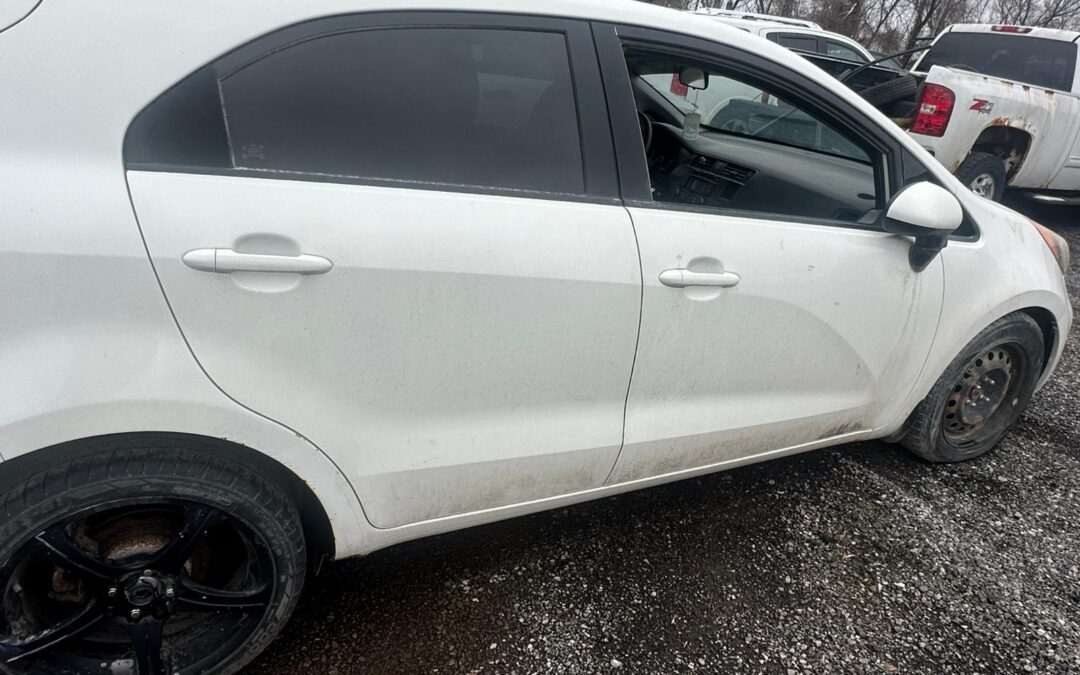
When a company vehicle reaches the end of its lease, handing it back to the leasing company isn’t always possible. The car may have high mileage, mechanical faults or accident damage that would cost more to put right than the vehicle is worth. If you’re managing several vehicles at once, deciding what to do with each one quickly becomes a headache.
For a vehicle that has reached the end of its life, a scrap car collection service in Canary Wharf can save your business repair costs, parking space and admin time. The key is knowing when to return, sell or scrap, and making sure you have the legal right to dispose of the vehicle before anyone collects it.
At a Glance: Scrap Car Collection for Canary Wharf Businesses
Question |
Answer |
| Who can scrap a leased vehicle? | Only the legal owner, or you with the owner’s permission |
| Where do we collect? | Canary Wharf, Poplar, Limehouse, Blackwall, Isle of Dogs and Docklands |
| What does collection cost? | Free of charge |
| How is the vehicle disposed of? | Through an Authorised Treatment Facility (ATF) |
| How is payment made? | Bank transfer |
| Key paperwork | Certificate of Destruction (CoD), issued by the ATF where applicable |
| Opening hours | Monday to Saturday, 8:00 AM to 6:00 PM |
Why Do Corporate End-of-Lease Vehicles Need Special Attention?
When a company car comes to the end of its lease, there are usually three options:
- Return it to the leasing company.
- Buy the car.
- Agree another disposal method with the owner.
Some vehicles simply aren’t worth keeping or returning. Picture a pool car with 100,000 miles on the clock. It may still run, but it could have engine problems, worn suspension and several dents. Returning it might trigger extra charges, while keeping it means more maintenance bills. The same applies to sales cars, management cars and light commercial vehicles.
Common reasons a business scraps a lease-end vehicle:
- High mileage: the vehicle needs regular, costly repairs.
- Major mechanical issues: engine, gearbox or electrical faults make it expensive to run.
- Failed MOT: it needs a lot of work to be roadworthy again.
- Accident damage: repairs would cost more than the car is worth.
- Changing company needs: the vehicle is no longer required, or the fleet is being replaced.
- Age: older cars may no longer suit how the business operates.
Should I Return, Sell or Scrap My Company Car?
This is one of the most important decisions a fleet manager makes. A car can look tired but still hold good resale value. Another can look fine and hide expensive mechanical problems. Use this table as a starting point:
Option |
When It Makes Sense |
What to Consider |
| Return to leasing company | The vehicle meets the lease return conditions | Mileage limits, damage charges and return requirements |
| Sell or transfer | The vehicle has reasonable resale value | Ownership, outstanding finance and resale costs |
| Scrap the vehicle | The car is beyond economical repair | Disposal approval, collection and legal paperwork |
Leasing a vehicle does not mean you own it. The leasing or finance company may still hold legal rights over the car, so you can’t simply scrap it. Check your contract and get permission from the legal owner first.
If you’re returning the vehicle, follow the leasing company’s process. If you’re buying it, confirm ownership has transferred and any outstanding finance is settled. Once you have the legal right to dispose of the vehicle, you can start arranging a scrap collection. Our guide to scrapping a car on finance explains what settlement paperwork you’ll need.
What Happens When My Corporate Fleet Comes to the End of Lease?
A corporate fleet lease end involves more than returning keys. You need to update vehicle records, settle outstanding obligations and decide what to do with company equipment. A clear plan helps, especially when several vehicles are due for disposal or replacement.
1. Check the lease agreement
Confirm the end date, return requirements, mileage allowance and any damage charges. Some agreements let you buy the vehicle at the end of the term, while others require it to be returned to a specific location. If you’re thinking of scrapping it, speak to your leasing company first.
2. Inspect the vehicle
Note the mileage, bodywork, tyres, service history and any mechanical issues. Take photos of any damage so you have a clear record when speaking to the leasing provider. A car with a faulty engine or serious structural damage isn’t suitable to pass on to another member of staff.
3. Compare disposal costs
Work out the cost of returning the vehicle, the estimated repair bill, and any resale or scrap value. It rarely makes sense to spend hundreds of pounds repairing an old vehicle if the leasing company will take it as it is. At the same time, skipping the resale check could cost you money. Use real figures to decide.
4. Confirm you’re allowed to dispose of it
If you don’t own the vehicle, you need permission from the leasing provider. Check for outstanding finance, ownership restrictions and contract conditions. Only book a collection once the legal owner has given the go-ahead.
5. Book a collection and update your fleet records
Book a collection with a suitable vehicle recycler. Record the date, registration, payment details and disposal documents, then update your fleet register and tell the relevant departments so old vehicles don’t show as active.
Why Should Canary Wharf Businesses Plan Vehicle Disposal?
Canary Wharf is home to financial institutions, professional services firms and corporate offices, many with staff travelling across London. Some businesses run large fleets, others just a handful of company cars. Either way, an unwanted vehicle quickly becomes an unnecessary cost. Here’s what to think about for collections in this part of East London:
Parking and access
Many vehicles sit in underground, private or managed car parks. The recovery vehicle may need permission from building management, plus enough height clearance to get in. Tell us the type of car park when you book so we can send the right vehicle.
Busy roads
Roads around Canary Wharf and the Isle of Dogs can be congested. Agreeing a collection time and an exact pick-up point helps avoid delays.
Multiple vehicles
If you’re replacing several cars, organise them together. Send us the full list of vehicles so we can confirm we can collect them all in one visit.
Company equipment
Pool and management cars often carry branding, parking permits, access devices or dashcams. Remove all of this before the vehicle leaves.
How Can ULEZ Affect Corporate Fleet Replacement?
The Ultra Low Emission Zone (ULEZ) is another factor when reviewing older vehicles. ULEZ covers all London boroughs, 24 hours a day, every day except Christmas Day. Vehicles that don’t meet the emission standards pay £12.50 per day, and for a business running several older vehicles that adds up quickly. Check the official Transport for London ULEZ guide to see which standards apply.
ULEZ doesn’t automatically mean a vehicle must be scrapped. It may still be usable outside the zone, hold good resale value or suit another purpose. The decision depends on how you use it, its condition and its overall running costs. If an older lease-end car also needs expensive repairs, replacing it is often the cheaper route. Our guide on whether scrapping is better than paying ULEZ charges walks through the numbers.
What Should You Check Before Scrapping a Fleet Vehicle?
Scrapping a company car comes with extra legal considerations. Work through this checklist:
1. Ownership and disposal rights
Check your V5C registration certificate, lease agreement and any finance documents. The registered keeper on the V5C isn’t necessarily the legal owner. A company can be the registered keeper of a leased vehicle without having the right to sell or scrap it.
2. Authorised Treatment Facility (ATF)
End-of-life vehicles must be treated at an Authorised Treatment Facility. The ATF de-pollutes the vehicle, removing oil, fuel, coolant and other materials that must not enter the environment, and recycles it. The GOV.UK guide to authorised treatment facilities explains where you can legally scrap a vehicle. See also why choosing an ATF matters.
3. Certificate of Destruction
When a car or qualifying light van is fully scrapped, the ATF issues a Certificate of Destruction (CoD). It confirms the vehicle has entered the official destruction process and should be issued within 7 days. Store it with your fleet disposal records.
4. DVLA notification
The DVLA must be told the vehicle has been scrapped. The ATF handles the destruction notification, but you should confirm the record has been updated and check whether any vehicle tax is due back. See our guides to notifying the DVLA after scrapping a car and claiming a car tax refund.
5. Commercial vehicles and waste paperwork
If your fleet includes commercial vehicles, ask your collector whether any extra waste transport documents apply. Requirements can differ from a private car collected from a home address. Check the Environment Agency’s guidance on when a motor vehicle counts as waste.
How Do I Scrap a Car in Canary Wharf?
Once you’ve confirmed the vehicle can be scrapped, you don’t need to arrange transport to a scrap yard. Brits Car Breakers collects from the agreed location. Here’s what we ask for:
- Vehicle information: the registration, make, model, mileage and condition, plus any major faults, accident damage or missing parts. For multiple vehicles, send the details of each one.
- A quote: we value the vehicle on its weight, condition, make, model and current scrap rates. Some vehicles are also valued on how many parts can be reused.
- Collection time: once you accept the quote and confirm you have permission to dispose of the vehicle, we agree a suitable time. Tell us whether it’s in an underground car park, private car park, driveway or on the roadside.
- Preparation: remove company items, documents, branding and equipment.
- Disposal: the vehicle is processed through the authorised treatment route, including de-pollution. You receive the correct disposal documents and, where applicable, a Certificate of Destruction.
For more detail, see our scrap car collection service.
What Affects the Value of a Corporate Vehicle?
Age is only part of the story. Two vehicles of the same model and year can be worth very different amounts. The main factors are:
- Weight: heavier vehicles generally contain more recoverable metal.
- Make and model: some parts are in higher demand than others.
- Working mechanical parts: a working engine or gearbox adds salvage value.
- Missing parts: absent catalytic converters, batteries or wheels can lower the offer.
- Current metal rates: the metal market affects what a recycler can offer.
- Access: difficult access or special requirements can affect the collection.
See our guide to scrap car prices in London for more.
Arrange Corporate Vehicle Collection in Canary Wharf with Brits Car Breakers
Don’t leave an old company car taking up space in your office car park. Once you’ve confirmed ownership and permission to dispose of it, Brits Car Breakers can collect it.
We provide scrap car collection across Canary Wharf and surrounding East London areas, including Poplar, Limehouse, Blackwall, the Isle of Dogs and Docklands. We collect unwanted, damaged, MOT-failed and non-running vehicles from offices, work sites and car parks. Our collection service is free of charge, and our quotes are based on current scrap values. With multiple vehicles, tell us how many you have and we’ll agree a collection time.
Frequently Asked Questions
Can I scrap a leased company car at the end of the lease?
Only with permission from the legal owner. A leased car is usually owned by the leasing or finance company, even if your business is the registered keeper, so check your contract and get written confirmation before booking. Once you have permission and any finance is settled, a licensed recycler can collect the vehicle.
Who can collect scrap cars near me in Canary Wharf?
Brits Car Breakers collects scrap cars across Canary Wharf and nearby East London areas including Poplar, Limehouse, Blackwall, Isle of Dogs and Docklands. Our address is 82 Cambridge Heath Rd, Bethnal Green, E1 5QJ, and we are open Monday to Saturday, 8:00 AM to 6:00 PM.
Is scrap car collection in Canary Wharf free?
Yes, our collection service is free of charge, and your quote is based on your vehicle’s weight, condition, make, model and current scrap metal rates. Difficult access, such as a restricted underground car park, or missing key parts can affect the offer, so tell us about both when you book. Payment is made by bank transfer.
Can you collect from an underground or private car park?
This can often be arranged. Tell us when you book that the vehicle is in an underground, private or managed car park so we can send the right recovery vehicle, and check that building management will allow access and has enough height clearance.
Can you collect several lease-end vehicles at once?
Yes. Send us the full list of vehicles with registrations, make, model, mileage and condition, and we can agree one collection time for the batch. Each vehicle needs confirmed permission to dispose of it before collection.
Will my business receive a Certificate of Destruction?
Where the vehicle qualifies, yes. When a car or qualifying light van is scrapped through an Authorised Treatment Facility, the ATF issues a Certificate of Destruction, which should arrive within 7 days. Keep it with your fleet disposal records.