
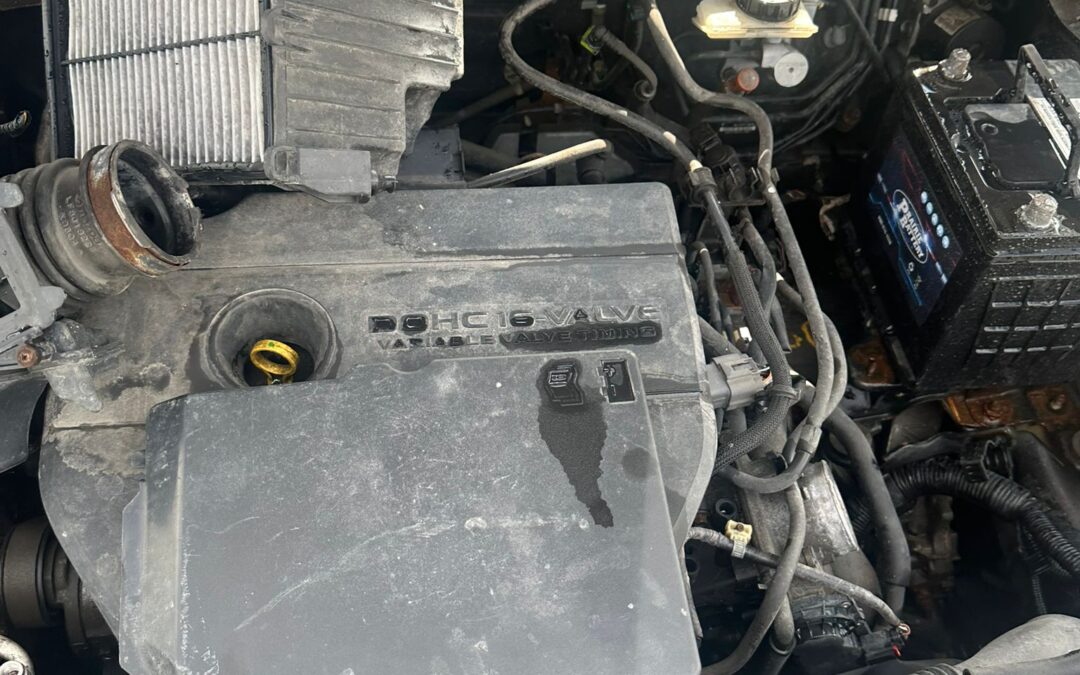
Quick answer: Repair the car if the fix is cheap and it will be reliable afterwards. Store it only if you’ll fix it in spring and storage costs less than the car is worth. Scrap it if repairs cost more than the car’s value. Decide before the cold weather sets in.
Why Winter Makes a Broken Car a Bigger Problem
- Batteries: Cold, damp weather drains weak batteries quickly.
- Fluids and rubber: Standing fluids can freeze, and seals, hoses and tyres deteriorate.
- Rust: Road salt and grit splash onto the underbody, and a car left outside is at greater risk of corrosion.
- Space: In London, a parking space or drive is worth a lot. A car that isn’t moving takes it up for nothing.
- Running costs: A car on the road must be taxed and insured. A car kept off the road may need a SORN. Check GOV.UK for the current rules.
- Emissions charges: If the car is non-compliant and you drive it in the ULEZ, the daily charge adds up quickly. Check TfL for current rates.
Dealing with the car before the first hard frost keeps the decision in your hands.
Repair, Store or Scrap: Quick Comparison
Repair |
Store |
Scrap |
|
| Best when | The fix is minor and the car is otherwise solid | You’ll fix it in spring and the car is worth keeping | Repairs cost more than the car is worth |
| Upfront cost | Repair bill (plus MOT if due) | Monthly storage fees plus preparation | Collection is free with Brits Car Breakers |
| Ongoing cost | Normal tax, insurance and running costs | Storage fees every month, plus insurance or SORN admin | None once DVLA is notified |
| Winter risk | Low once fixed | Flat-spotted tyres, stale fuel, moisture in the engine | None. The car is gone. |
| Space freed | Once the car runs | Yes | Yes |
| Cash back | No | No | Yes, based on weight, model, condition and metal rates |
Repair: Is It Worth Fixing?
Before you pay a garage, compare the repair quote with what the car is actually worth.
- Compare cost to value. As a rule of thumb, if the repair costs more than about half the car’s market value, think hard before going ahead. A new engine or gearbox on an older car often costs more than the car is worth.
- Check reliability. Will the car cope with cold starts, wet roads and winter commuting after the repair?
- Check the MOT. If it has just failed, weigh the repair bill against selling it as-is.
- Look at the repair history. Repeated breakdowns usually mean more bills ahead.
- Count minor fixes in your favour. A small repair on a car in decent shape is usually worth doing.
- Be honest about sentiment. Attachment to a car is valid, but you also need something dependable.
Storage: Is It Worth the Cost?
Garaging the car or renting a storage space until spring works if you don’t have time to deal with the problem right now. The catch is that storage costs money every month, and space in London isn’t cheap.
- Six months of storage can cost more than an older car is worth.
- Idle cars develop problems: tyres flat-spot, fuel goes stale, batteries go flat and moisture builds up in the engine.
- The car still needs to be taxed and insured, or declared off the road with a SORN, depending on where it’s kept.
Do the sums first. If storage plus spring repairs add up to more than the car’s value, storing it isn’t saving you anything.
Scrap: Why It Often Makes Sense Before Winter
If repairs are expensive and the cold weather is coming, scrapping the car is often the practical choice. For London drivers, it also solves the space problem straight away.
- Stop spending on a car that isn’t worth fixing. You skip the repair bill and the storage fees.
- Get paid for your old car. Put it towards winter tyres, Christmas spending or your next vehicle.
- Avoid winter damage. The car is gone before frost, damp and road salt can do more harm.
- Free up your drive or parking space. You get your space back as soon as it’s collected.
- No need to fix it first. MOT failures, non-runners and accident-damaged cars can be collected as they are.
How Scrapping Your Car with Brits Car Breakers Works
Brits Car Breakers is a licensed Authorised Treatment Facility (ATF) serving North, East, South, West and Central London.
- Get an instant quote. Share basic details about the car online or by phone. Prices are based on weight, model, condition and current metal rates, and are explained here.
- Book free collection. Choose a time that suits you. Same-day or next-day pickup is available, from your home, street or workplace.
- Get paid. Payment is made by secure bank transfer on collection.
- Paperwork is handled. We notify DVLA and issue your Certificate of Destruction within 7 days.
- The car is recycled responsibly. Fluids and hazardous materials are removed first, and metal and reusable parts are recovered.
Have an electric or hybrid car? We also buy end-of-life and damaged EVs, with safe battery handling.
Ready to scrap it? Get your free instant quote or call +44 7506 646552 (Mon–Sat, 8:00 AM–6:00 PM).
Not Sure? Use This Quick Checklist
- Do I have a repair quote in writing?
- Is the repair cost lower than the car’s current market value?
- Will the car be dependable all winter after it’s fixed?
- Can I afford storage until spring, and is it cheaper than the car’s value?
- Is the car taxed and insured, or declared off the road with a SORN?
- Do I need my drive or parking space back?
If you answered “no” to the first three, scrapping is probably your best option.
Conclusion
Take another look at your drive or parking space this week and decide what will give you peace of mind.
- If it’s worth fixing and you need it, book the repair this week.
- If you can wait until spring, find a sheltered spot away from ice and road salt, and sort out your tax, insurance or SORN.
- If it isn’t worth the money, move on now.
Making the call before winter means you won’t have an unwanted car rusting away outside your home. When you’re ready to clear the space, Brits Car Breakers will collect it, pay you and handle the DVLA paperwork.
Frequently Asked Questions
Should I repair, store or scrap a broken car before winter in London?
It depends on cost versus value. Repair it if the fix is minor and the car will be reliable all winter. Store it only if you plan to repair it in spring and storage costs less than the car is worth. Scrap it if repairs cost more than the car’s value.
How do I know if my car is worth repairing?
Get a written repair quote and compare it with the car’s current market value. As a rule of thumb, if the repair costs more than about half the car’s value, or the car keeps breaking down, replacing it is usually the better choice.
Do I need to SORN a broken-down car I’m not using?
If a car is kept off the road on private land, you generally need to make a Statutory Off Road Notification (SORN) with DVLA. Otherwise it must be taxed and insured even if it isn’t being driven. Check GOV.UK for the latest rules.
Is storing a broken-down car for winter worth it?
Often not. Storage costs money every month, and six months of fees can exceed the value of an older car. Idle cars also develop flat-spotted tyres, stale fuel and moisture in the engine.
Can Brits Car Breakers collect my broken-down car in London?
Yes. Brits Car Breakers offers free collection of scrap, non-running, MOT-failed and accident-damaged cars across London, with same-day or next-day pickup available. Get an instant quote online or call +44 7506 646552.
What paperwork do I need to scrap my car, and who handles it?
You’ll need to provide the car’s details and proof of ownership. Brits Car Breakers, a licensed ATF, notifies DVLA and issues a Certificate of Destruction within 7 days, so you’re no longer responsible for the vehicle.