
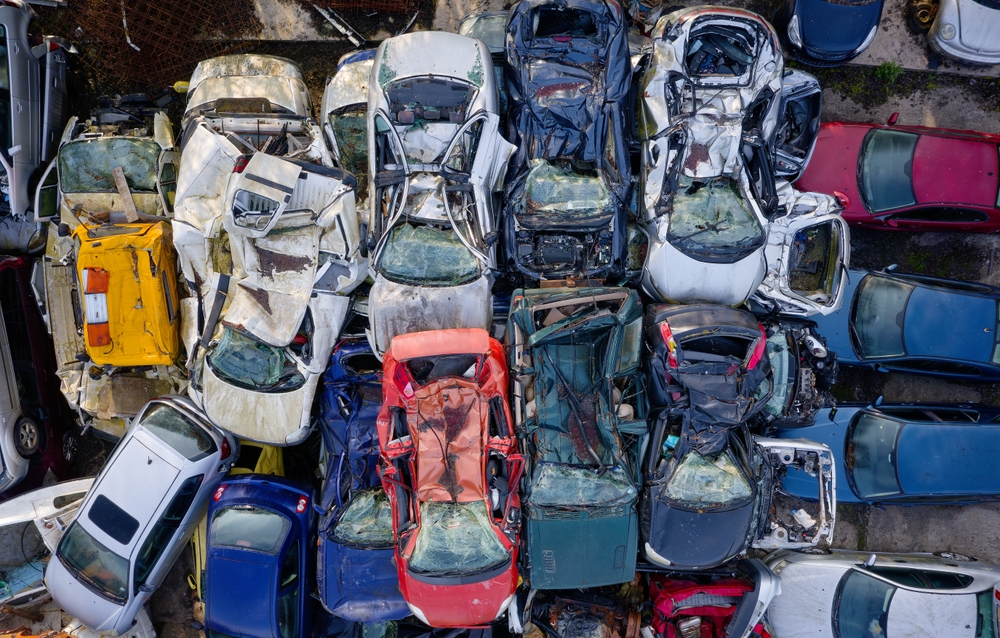
Electric vehicles are everywhere now. Sales keep climbing, the government keeps pushing for cleaner roads, and more people are making the switch. But here is something most buyers never think about when they drive off in their shiny new EV: what happens to that massive battery pack in ten or fifteen years? These batteries do not last forever. They degrade, lose capacity, and eventually reach a point where they simply cannot power the car reliably anymore.
And when that happens, we have a serious problem on our hands if we do not handle it properly. Lithium, cobalt, nickel, and manganese, these are not just chemistry words. They are finite resources that take enormous energy and effort to mine. Throwing them away is not only wasteful but genuinely harmful to the environment. That is why EV Battery Recycling has become one of the most important conversations in the automotive and clean energy world right now.
Why EV Battery Recycling Actually Matters
Let us be straight about this. An EV battery is not like a regular car part. It is a complex pack that can weigh anywhere from 200 to 600 kilograms, depending on the vehicle. Inside, you have hundreds or thousands of individual cells, all containing materials that are either toxic, rare, or both.
Here is what sits inside a typical lithium-ion EV battery:
- Lithium – critical for energy storage, mined mostly in South America and Australia
- Cobalt – expensive and largely sourced from the Democratic Republic of Congo
- Nickel – used in newer high-energy cells, major mining happening in Indonesia and Russia
- Manganese – a stabiliser in many modern battery chemistries
- Copper and aluminium – used extensively in the structural components
How Long Does an EV Battery Actually Last?
Most EV batteries come with warranties of around 8 years or 100,000 miles. In reality, many last well beyond that. But as they age, capacity fades. A battery that once gave you 300 miles of range might only give you 200 after a decade of use.
The general rule in the industry is this: once a battery drops below 70 to 80 per cent of its original capacity, it is considered end of life for the vehicle. At that point, it has two possible futures – a second life in stationary energy storage or full recycling.
The EV Battery Recycling Process Step by Step
1. Collection and Transport
The process starts with getting the battery to a facility safely. This sounds simple but it is not. EV batteries store a huge amount of energy. A damaged or improperly handled pack can catch fire or release toxic fumes. Specialist transporters use fireproof containers and follow strict protocols set by regulators.
2. Discharge and Disassembly
Once at the facility, the first job is to safely discharge any remaining energy in the battery. Technicians then dismantle the outer casing and separate the battery pack into its modules and individual cells.
3. Sorting and Pre-Treatment
After disassembly, the cells go through sorting. Good cells that still hold charge might be redirected for second-life applications. Degraded cells go further into the recycling chain.
Pre-treatment often involves shredding or crushing the cells in a controlled, inert atmosphere to prevent fires. This produces what the industry calls “black mass” — a dark, powdery mixture containing lithium, cobalt, nickel, manganese, and other materials.
4. The Core Recycling Methods
There are three main approaches recyclers use at this stage, and most modern facilities combine elements of all three.
Pyrometallurgy (High Heat)
The black mass or shredded battery material goes into a furnace at extremely high temperatures. The process burns off the carbon and organic materials, leaving behind a metal alloy containing cobalt, nickel, and copper. Lithium is harder to recover this way and is often lost in the slag.
Hydrometallurgy (Chemical Leaching)
The black mass is dissolved in acid solutions. Different metals are then separated out using a sequence of chemical processes including precipitation, solvent extraction, and electroplating. This method recovers lithium much better than pyrometallurgy and produces purer output materials.
Direct Recycling
Instead of breaking the battery down to its raw metals, direct recycling aims to preserve the cathode material structure and restore it so it can go straight back into new battery manufacturing. It skips multiple energy-intensive steps.
What Happens to the Recovered Materials?
Once recycled, the recovered materials re-enter the supply chain. Here is where they typically end up:
- Lithium carbonate: New battery cathodes
- Cobalt sulphate: Cathode material for new EV or consumer batteries
- Nickel sulphate: Battery cathode production
- Copper: Electrical components and wiring
- Aluminium: Casings and structural parts
- Manganese: Steel production or new cathodes
What Should You Do With Your Old EV Battery?
If you are dealing with an end-of-life electric vehicle, here is what you need to know practically:
- Never dispose of an EV battery in general waste or skip hire. It is illegal and dangerous.
- Contact your vehicle manufacturer or dealer first. Many have take-back schemes in place.
- Use an authorised treatment facility (ATF). These are licensed by the Environment Agency and know how to handle EV batteries safely.
- Consider specialist EV dismantlers. Some firms, similar to how traditional scrap car collection services work for older vehicles, now offer specialist collection and processing whenscrapping an electric car in London.
- If you reside in areas like Croydon, Wandsworth, or Barnet, check for local vehicle recyclers who provide compliant drop-off options.
- Ask about second-life options. If your battery still holds reasonable capacity, it might qualify for a repurposing programme rather than straight recycling.
Challenges the Industry Still Needs to Solve
The recycling ecosystem is growing, but it is not there yet. A few honest challenges:
- Supply and scale mismatch: Right now, the number of end-of-life EV batteries is still relatively low. The big wave is coming as the vehicles sold in the 2017 to 2022 period start reaching retirement age around 2030 to 2035. Recyclers need to build capacity before that surge arrives, not after.
- Design for disassembly: Many current EV battery packs are glued together or built in ways that make disassembly slow and expensive. Automakers are starting to design with recyclability in mind but it is not universal yet.
- Cost economics: Recycling is still expensive relative to mining virgin materials in some cases. As commodity prices shift, understanding current scrap car prices can help owners calculate overall salvage yields, but it is not yet a purely profit-driven activity in all markets.
- Workforce and skills: Handling lithium-ion batteries safely requires trained people. The industry needs significant upskilling.
Conclusion
EV battery recycling is not a distant problem or a nice-to-have. It is an essential part of making electric vehicles genuinely sustainable over their full lifetime. The process, from collection through disassembly to material recovery, is complex but well understood. The science is solid. What the industry needs now is scale, investment, and regulation that keeps pushing things forward.
If you have an end-of-life EV or are looking to responsibly dispose of any vehicle with a lithium battery, working with a trusted, licensed recycler makes all the difference. Brits Car Breakers handles end-of-life vehicles with the right care and proper environmental standards, so you know your car and its components are dealt with responsibly rather than ending up somewhere they should not. If you want to find out more, please get in touch with us today.