
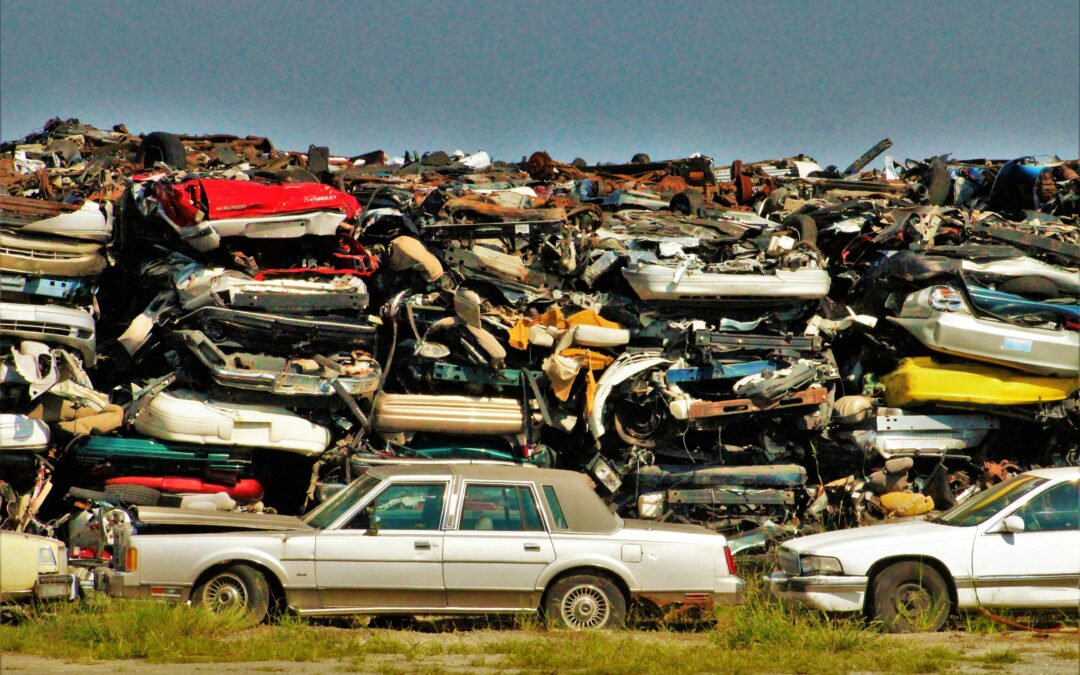
Whether rough winter salt rotted the frame or a nasty fender bender smashed the hood, your vehicle holds real financial worth. You just need to know how buyers grade your wheels so you can demand every single dollar your car deserves.
Scrap Value vs Salvage Value What Is the Real Difference?
Every car owner faces the day when their reliable wheels stop running. Before you hand over your keys, you must understand how the automotive market separates dead vehicles from repairable projects.
What Defines Scrap Value?
Scrap value measures what your vehicle is worth strictly as a pile of raw recyclable metal. When a car has zero mechanical life left, recyclers look past the badge on the grille and focus entirely on the weight of steel, aluminum, and copper inside the chassis.
- Zero Road Potential: The car cannot return to the highway under any circumstances.
- Weight-Based Pricing: Facilities pay you by the metric ton based on current global metal commodity markets.
- End of Life Recycling: Operators strip out toxic fluids, remove hazardous batteries, and feed the remaining shell straight into a metal crusher.
What Defines Salvage Value?
Salvage value represents what your vehicle is worth as a repairable unit or a donor vehicle packed with functional spare parts. Even if your insurance company declares the car a total loss after a bad highway collision, the mechanical guts inside might work perfectly.
- High Value Donor Parts: Working engines, smooth transmissions, clean electronic control modules, and undamaged body panels command strong resale prices.
- Rebuild Potential: Skilled mechanics often buy these vehicles to fix structural flaws, pass strict provincial safety inspections, and put the car back on the road.
- Higher Payouts: Because parts sell for much more than melted steel, salvage offers almost always beat raw metal offers by a wide margin.
How Canadian Insurance Companies Grade Damaged Vehicles
When you file an accident claim, your insurance adjuster inspects the wreckage and compares repair costs against the pre-accident value of your vehicle. Understanding write-off vehicle categories helps you predict whether the adjuster sends your car to a parts recycler or a metal shredder.
1. Clear Title Non-Runner
Sometimes your car dies from old age rather than a collision. If your transmission slips or the engine blows up on a vehicle with zero accident history, you hold a clean title. You can sell this vehicle directly to mechanics who want to install a fresh engine and flip the car for a profit.
2. Salvage Branded Title
When repair bills cost more than roughly two-thirds of the car’s market value, the insurance company brands the vehicle as salvage. The frame might need straightening, but the car remains legally eligible for repairs. Once a certified mechanic rebuilds the car and passes a thorough technical inspection, the province issues a rebuilt title so the car can legally drive again.
3. Non-Repairable Status
If a vehicle suffers severe structural destruction, flood immersion, or intense fire damage, provincial authorities declare it non-repairable. You can never legally drive this vehicle on Canadian roads again. However, professional auto recyclers still buy these wrecks to dismantle working headlights, interior seats, and undamaged glass before they crush the bare skeleton.
How to Calculate What Your Broken Car is Actually Worth
Figuring out a fair asking price requires an honest assessment of what still works under the hood. You can stop guessing and use simple methods to gauge your potential payout.
Step 1 Weigh the Raw Metal Baseline
Every vehicle possesses a guaranteed floor price based on its physical mass. To calculate car scrap value, check your owner’s manual for the curb weight of your vehicle. Most passenger sedans weigh between 1.3 and 1.8 metric tons, while full size pickup trucks easily top 2.5 metric tons. Call a local recycling yard, ask for their daily rate per ton of steel, and multiply that figure by your vehicle weight. This calculation reveals your absolute minimum cash baseline.
Step 2 Inspect Working Mechanical Components
Walk around your vehicle and write down every part that survived intact. If your catalytic converter remains bolted underneath, it adds significant value because it contains precious metals like platinum and palladium. Working factory navigation screens, undamaged alloy wheels, and fresh tires boost your asking price well above basic metal rates.
Step 3 Factor in Market Demand and Location
A rusted ten year old sedan fetches different money in downtown Toronto compared to rural Alberta. If you own a popular commuter vehicle, local recyclers constantly need spare replacement parts to supply neighbourhood repair shops. High demand drives up your potential payout.
Who Buys Broken Cars and Which Option Pays Best?
Once you figure out what your car holds inside, you must pick the right buyer to maximize your profit. Selling to the wrong business easily costs you hundreds of dollars.
Professional Auto Salvage Auctions
Major auction networks purchase repairable wrecks directly from insurance companies and private owners. Rebuilders bid against each other to grab vehicles with clean interiors and strong engines. If your broken car features low mileage and minor body damage, putting it in front of competitive salvage bidders yields the highest payout.
Local Auto Breakers and Used Parts Yards
Dismantlers specialize in pulling functional components off dead cars. They happily purchase vehicles with blown motors as long as the exterior doors, tail lights, and suspension pieces remain clean. These yards sell individual parts to local mechanics and DIY car enthusiasts across the province.
Direct Scrap Metal Shredders
When your ride sits entirely rusted out from decades of harsh winters, direct junk car buyers step in to clear your driveway. These operators focus on volume and speed. They crush old beaters quickly, separate the non ferrous metals, and ship raw materials directly to foundries.
Smart Tips to Protect Your Wallet Before the Tow Truck Arrives
Getting a great deal involves more than just accepting the first phone offer. Follow these practical steps to ensure a smooth and profitable handover.
- Remove All Personal Belongings: Look inside the glove box, check under the seats, and clear out the trunk before the driver hitches up your car. You do not want to lose your transponder passes, sunglasses, or insurance paperwork.
- Never Pay for Towing: Reputable operations always provide complimentary pickup services. If a dispatcher tries to deduct a towing fee from your agreed quote, walk away and call another local operator.
- Handle Provincial Paperwork Immediately: Keep your vehicle permit, sign the transfer portion, and notify your provincial transportation ministry the exact day your vehicle leaves your property. Proper registration transfer protects you from future parking tickets or towing fines incurred by the next holder.
- Demand Guaranteed Quotes: Always send exact photos of your vehicle damage to prospective buyers. Once a yard confirms a price over the phone based on honest photos, demand they honour that exact amount when their tow truck pulls into your driveway.
Conclusion
Deciding between raw metal recycling and parts salvage comes down to the honest physical condition of your vehicle. If your car possesses working mechanical components, clean interior seats, or straight body panels, targeting the salvage market puts maximum cash into your hands. When rust completely conquers the frame and mechanical failures make repairs impossible, direct metal recycling provides a fast and reliable exit.
Assess your vehicle carefully, gather multiple quotes from regional buyers, and make sure you receive every single dollar your old ride deserves. When you need trustworthy advice and efficient vehicle disposal services, reaching out to established specialists like Brits Car Breakers ensures you experience a smooth, honest, and highly rewarding process from start to finish.
What is the difference between scrap value and salvage value?
Scrap value is based on the recyclable metal weight of a vehicle, while salvage value considers the worth of repairable components such as the engine, transmission, electronics, and body panels. Salvage vehicles are often worth more because usable parts can be resold.
Is a salvage car worth more than a scrap car?
In most cases, yes. A salvage vehicle with working mechanical parts or repair potential generally commands a higher price than a vehicle valued only for its scrap metal.
How is the scrap value of a car calculated?
Scrap value is typically calculated using the vehicle’s weight and the current market price for recyclable metals such as steel, aluminium, and copper. Additional recyclable materials may also influence the final price.
Can I sell a non-running car for salvage?
Yes. A non-running vehicle can still qualify for salvage value if it contains valuable reusable parts or can be economically repaired. Many auto recyclers and salvage yards purchase vehicles in this condition.
Should I get multiple quotes before selling my damaged car?
Absolutely. Comparing quotes from scrap yards, salvage buyers, and auto recyclers helps ensure you receive the highest possible value for your vehicle based on its condition.