
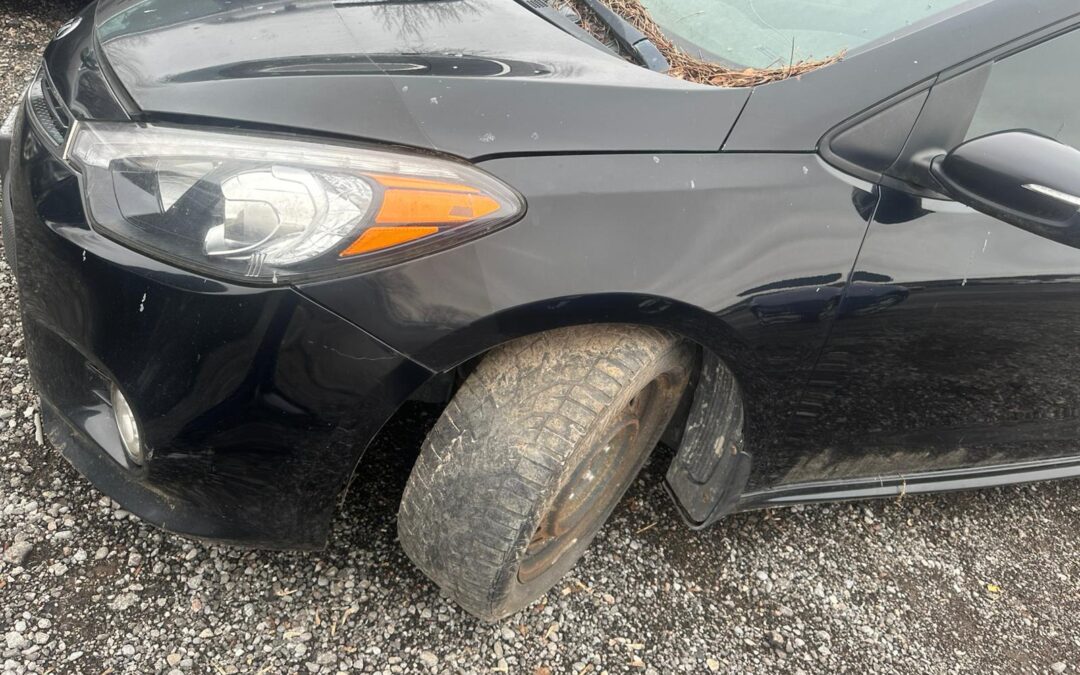
There’s more to the old clunker parked on your street than rust and nostalgia. Inside it sits engine oil, petrol or diesel, battery acid, coolant, and airbag propellant — substances that can seriously damage soil and groundwater if a car goes straight into a metal shredder. That’s why depollution happens first. Before any vehicle at a licensed London scrapyard is crushed, every fluid and hazardous component is removed, recorded, and sent for safe recycling.
This step protects the environment, keeps recycling plant workers safe, and produces cleaner scrap metal and reusable parts. If you’ve ever wondered what actually happens after you hand your keys over to scrap it, here’s the full picture — and why choosing a licensed ATF (Authorised Treatment Facility) in London matters more than most people realise.
What Is Car Depollution?
Depollution is the legally required decontamination stage of end-of-life vehicle recycling. It happens before a car is crushed or shredded. Every fluid and hazardous material — oil, fuel, coolant, battery acid, refrigerant, and explosive components like airbags — is drained or removed so nothing spills during crushing, shredding, or transport. Think of it like emptying an old fridge of refrigerant before it goes to landfill: skipping the step turns routine disposal into an environmental hazard.
In the UK, depollution isn’t optional. Under the End-of-Life Vehicles (ELV) Regulations, only a licensed Authorised Treatment Facility (ATF), permitted by the Environment Agency, can legally scrap a car. Any yard offering to “scrap” a car without this depollution step — and without issuing a DVLA Certificate of Destruction (CoD) — is operating illegally, and the last registered keeper can remain liable for the vehicle.
Why Is Depollution Necessary Before Scrapping a Car?
A car isn’t just metal and plastic. Several components become genuinely hazardous once they’re exposed to open ground, air, or water:
- Engine oil and brake fluid can leak into soil and contaminate groundwater
- Leftover fuel is a fire and explosion risk once crushing begins
- Batteries contain acid and heavy metals that are toxic to soil and waterways
- Air-conditioning refrigerant gas can damage the ozone layer if released
- Airbags and seatbelt pretensioners contain small explosive charges that can detonate unpredictably during crushing
Left untreated, a single scrapped car can pollute far beyond the yard it’s processed in — which is why UK law puts the responsibility squarely on licensed facilities.
How the Car Depollution Process Works, Step by Step
Every certified UK scrapyard follows broadly the same sequence, though exact tools and order can vary slightly by facility.
- Vehicle Inspection — Technicians check the car’s fuel type, make, model, and condition, and note any leaks or damage. This determines which tools, containers, and safety measures the job needs.
- Draining the Fluids — Engine oil, coolant, brake fluid, power steering fluid, screen wash, and fuel are drained into separate, clearly labelled containers. Mixing them is never acceptable — some combinations become hazardous or unstable together.
- Battery Removal — The battery comes out early, since its acid and live charge can cause a short circuit during later stages. Batteries are sent to specialist recyclers who recover the lead and plastic casing.
- Refrigerant Recovery — Where a car has working air conditioning, technicians use a dedicated recovery machine to capture the refrigerant gas rather than letting it escape into the atmosphere. This step is now especially relevant for hybrid and electric vehicles with additional cooling systems.
- Airbag and Pyrotechnic Disarming — Airbags, seatbelt pretensioners, and similar devices contain small explosive charges that must be safely discharged or physically removed before crushing.
- Tyre and Glass Removal — Tyres are stripped from the rims, since rubber doesn’t crush well and can jam shredding machinery. Windscreens and windows are also removed where the glass can be recycled.
- Stripping Reusable Parts — Before the shell is processed, still-usable components — mirrors, alternators, starters, catalytic converters, even whole engines — are removed for resale. This stage is often where scrapyards generate most of their value, and it reduces demand for newly manufactured parts.
Where Do the Fluids and Parts Go After Removal?
Nothing collected during depollution is wasted. Each material follows its own recycling stream:
Item Removed |
Where It Goes |
| Engine oil | Refined and reused as fuel or industrial lubricant |
| Battery | Sent to specialist lead-acid battery recyclers |
| Fuel | Filtered and reused, or safely disposed of |
| Tyres | Recycled into rubber products or processed fuel |
| Glass | Crushed and reused in construction materials |
| Metal parts | Resold as used parts or melted down for scrap |
How Does Scrap Car Collection Connect to Depollution?
A common misconception is that once a scrap car collection is booked, the car is towed away and crushed the same day. In reality, depollution always happens before crushing — it’s a mandatory, regulated stage, not an optional add-on. This is exactly why it matters which company collects your car. An unlicensed operator can offer a fast cash quote but skip this stage entirely, leaving you exposed to fly-tipping fines or DVLA liability if the vehicle isn’t properly deregistered. Booking with a licensed ATF for scrap car collection in London means the depollution, DVLA notification, and Certificate of Destruction all happen as part of one legally compliant process.
What Happens to a Car After Depollution Is Complete?
Once every fluid is drained and every hazardous part removed, the vehicle moves to the next stage: crushing, which flattens the shell for efficient transport, followed by shredding, where the metal is separated and sorted for recycling. None of this can legally happen without depollution first — facilities that skip it risk serious Environment Agency penalties, and vehicle owners who use them risk penalties of their own.
Quick Checklist: Signs You’re Using a Properly Licensed Depollution Facility
- Holds current Environment Agency ATF permits
- Issues a DVLA Certificate of Destruction within 7 days
- Drains and separately stores all fluids before crushing
- Removes batteries and airbags as a distinct safety step
- Provides written confirmation of collection and deregistration
- Publishes verifiable licensing and permit details on request
Final Thoughts
Depollution is the unsung hero of car recycling. It happens quietly before the crusher does its work, yet it’s the step that keeps toxic fluids out of the ground and hazardous parts out of harm’s way. Next time you’re weighing up scrapping an old car, remember that a proper facility does far more than squash metal — it protects your local environment and keeps you legally covered.
If you’re in London and want the process handled correctly from collection to Certificate of Destruction, Brits Car Breakers is a licensed ATF offering free scrap car collection, instant quotes, and same-day payment across North, East, South, West, and Central London. Get your free instant quote and see what your car’s really worth.
Frequently Asked Questions
Is car depollution required by law in London?
Yes. Under UK End-of-Life Vehicle regulations, only a licensed Authorised Treatment Facility can legally depollute and scrap a vehicle. Any yard skipping this step is operating outside the law.
How long does depollution take before a car is crushed?
At a licensed facility, depollution typically takes under an hour once the vehicle arrives, though timing depends on the car’s condition, fuel type, and whether it has AC refrigerant or airbags to disarm.
Do I get proof my car was depolluted and scrapped legally?
Yes. A licensed ATF issues a DVLA Certificate of Destruction, usually within 7 days, confirming the vehicle has been deregistered and removed from your name.
Does depollution happen for electric and hybrid cars too?
Yes, with additional safeguards. EV and hybrid depollution includes certified battery-safe handling alongside standard fluid draining and refrigerant recovery.
Can I scrap a car that failed its MOT without repairing it first?
Yes. A licensed scrap car collection service will still take the vehicle as-is, regardless of the MOT failure reason, and complete the depollution and paperwork process.
Where can I get my car collected and depolluted properly in London?
Brits Car Breakers offers free, licensed scrap car collection across all London areas, with same-day payment and a Certificate of Destruction issued within 7 days.