by Brits Car Breakers | Aug 31, 2026 | Car Scrapping Guide
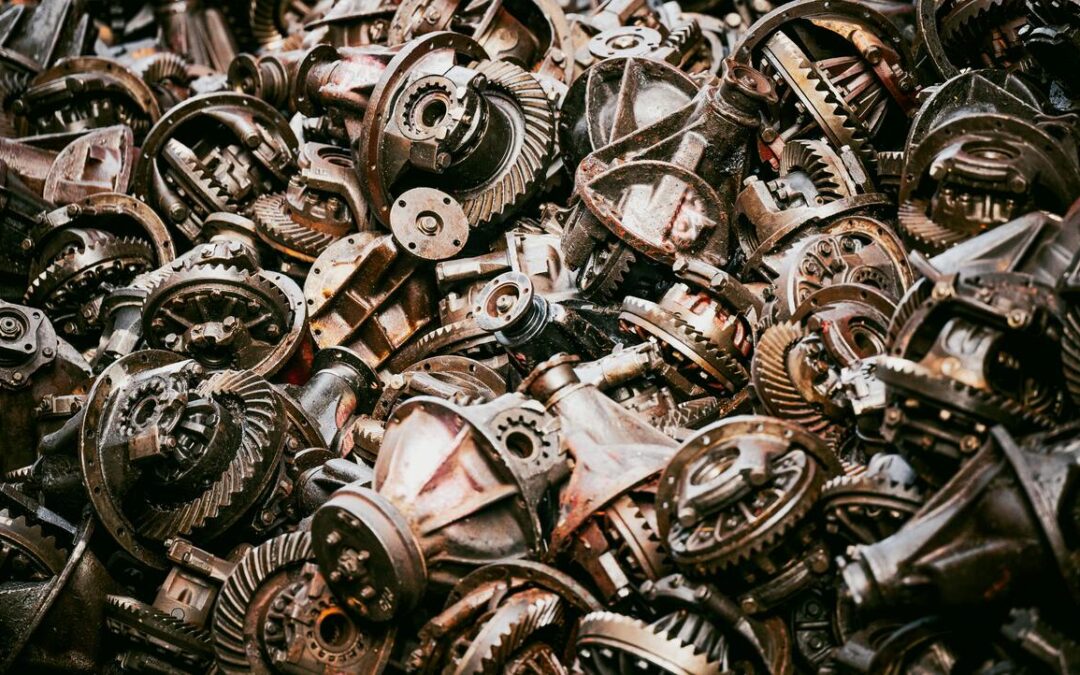
Quick answer: A scrapped car yields steel (55–65% of its weight), aluminium, and copper as its three most valuable metals, plus smaller but high-worth amounts of lead, platinum-group metals, zinc, and brass. A licensed car breaker separates these using magnets, eddy...
by Brits Car Breakers | Aug 29, 2026 | Car Scrapping Guide
Airbags and other pyrotechnic devices (seatbelt pretensioners, some bonnet-lifting systems) contain an explosive charge that stays live even after the car is off the road. Before a vehicle can be safely shredded, a licensed Authorised Treatment Facility (ATF) must...
by Brits Car Breakers | Aug 26, 2026 | Car Scrapping Guide
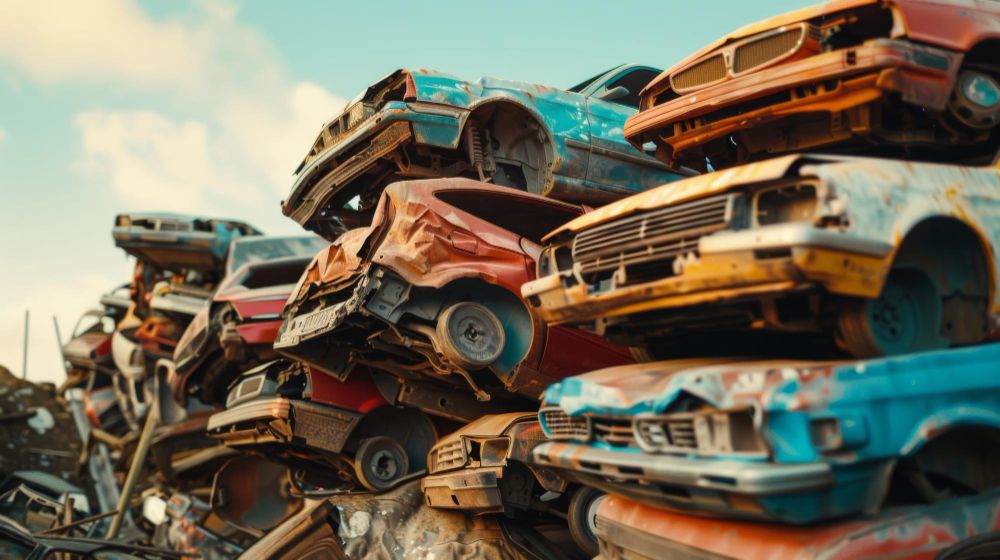
Quick answer: Restore your classic car if it has rare or historic value, a solid rust-free frame, available parts, and strong collector demand. Scrap it if the frame is rusted through, parts are discontinued, or repair costs exceed the car’s market value — in...
by Brits Car Breakers | Aug 24, 2026 | Car Scrapping Guide
Car depollution is the legally required step where a licensed ATF drains fluids like oil, fuel, and coolant, removes the battery, recovers AC refrigerant, and disarms airbags before a vehicle is crushed. This prevents pollution, keeps recycling workers safe, and is...
by Brits Car Breakers | Aug 22, 2026 | Car Scrapping Guide
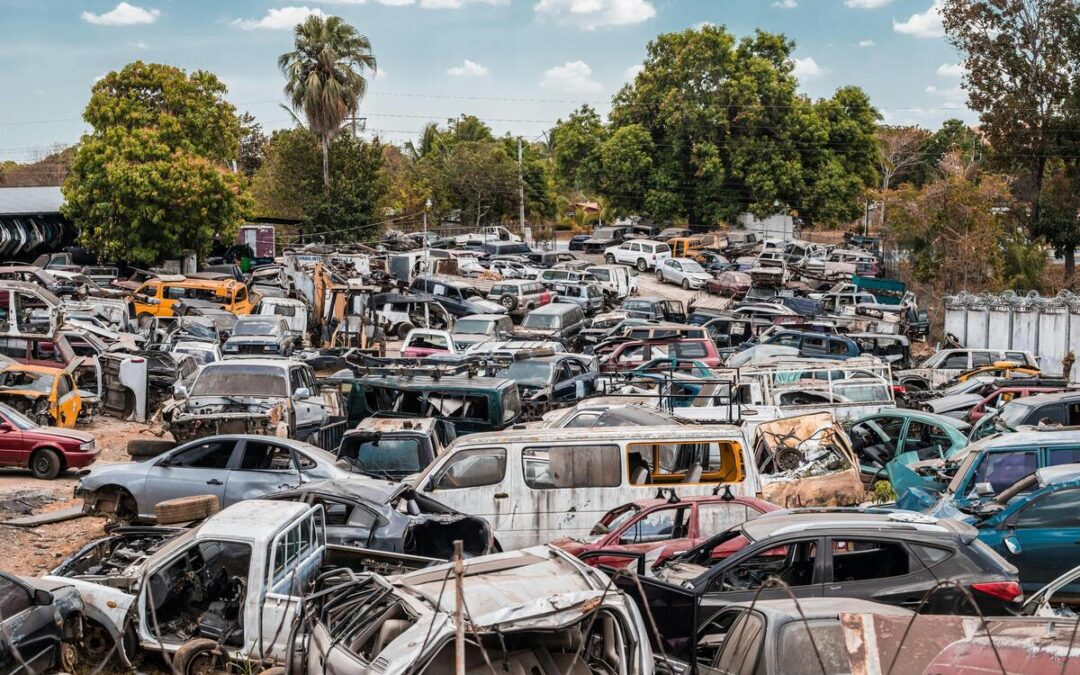
Deciding between car breakers vs scrap yard services can feel confusing when your vehicle is damaged or written off. Both options get rid of an unwanted car, but they pay differently and handle your vehicle in different ways. At Brits Car Breakers, we help UK drivers...
by Brits Car Breakers | Aug 19, 2026 | Car Scrapping Guide
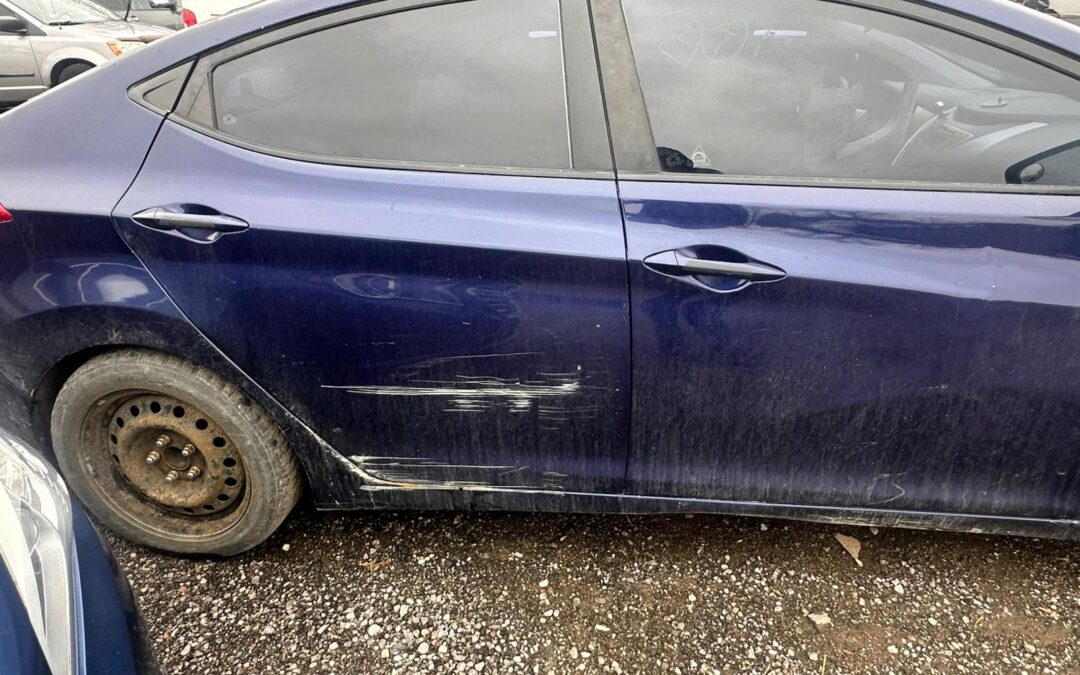
Hybrid car scrapping takes longer and costs more to process than petrol or diesel scrapping because a hybrid contains two power systems: a combustion engine and a high-voltage battery pack that must be safely discharged and removed by a trained technician before the...