
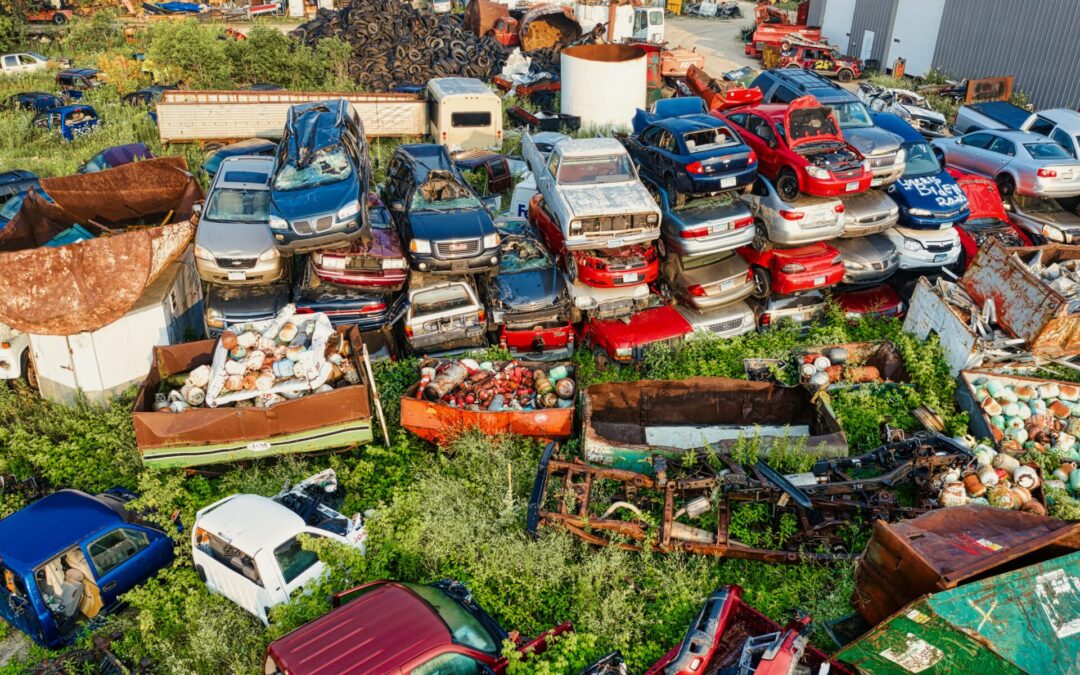
The process is far more structured than simply crushing metal. UK law requires every end-of-life vehicle to pass through a licensed facility before it can be recycled.
At Brits Car Breakers, we see this process daily. This guide walks through each stage, from collection to the final recycled material, so you understand exactly where your old car goes.
What Happens to a Scrapped Car First?
A scrapped car’s journey begins at an Authorised Treatment Facility (ATF), the only legal destination for end-of-life vehicles in the UK.
Under the End-of-Life Vehicles Regulations 2003, it is illegal to dismantle or scrap a car anywhere else. This rule exists to stop pollutants like oil, fuel, and coolant from contaminating soil and waterways. Choosing a properly licensed ATF also protects you from the fines that come with illegal scrapping.
Once your car arrives at an ATF, staff log its registration and confirm ownership. This step protects you from future liability, since the vehicle is still legally yours until it is formally deregistered.
The Depollution Stage: Removing Hazardous Fluids
Depollution is the process of draining every hazardous fluid and component from a vehicle before dismantling begins.
Technicians remove fuel, engine oil, brake fluid, antifreeze, and air conditioning refrigerant. The battery, tyres, and airbags are also taken out separately, since each requires different handling. These are among the hazardous materials that must be handled by trained technicians rather than disposed of casually.
This stage typically takes 30 to 45 minutes per vehicle. Every fluid is stored in sealed containers and sent to licensed waste handlers, keeping harmful substances out of landfill.
The Environment Agency sets strict guidelines for how ATFs must manage this waste, and facilities are audited to confirm compliance.
Dismantling and Parts Recovery
After depollution, usable parts are removed and tested for resale before the shell is processed further.
Doors, alternators, gearboxes, and body panels are common candidates for reuse. A part in good condition can be sold to garages or private buyers, extending its working life well beyond the original vehicle.
This step matters for sustainability. Reusing an existing alternator, for example, avoids the energy cost of manufacturing a new one from raw materials.
Parts that fail inspection are sorted by material type ready for the next stage.
Shredding and Material Separation
Once parts recovery is complete, the remaining shell is crushed and fed into an industrial shredder.
The shredder breaks the vehicle down into fist-sized fragments. Powerful magnets and eddy current separators then sort the fragments by material, splitting ferrous metals like steel from non-ferrous metals recovered from a scrapped car such as aluminium and copper.
Modern shredding facilities recover roughly 85 to 95 percent of a vehicle’s total material by weight, according to industry data tracked against UK recycling targets. The recovered metal is sold to smelters and re-enters the manufacturing supply chain, sometimes ending up in new vehicles within months. This is part of the wider environmental impact of scrap car recycling across London and the UK.
Where Does the Certificate of Destruction Fit In?
A Certificate of Destruction (CoD) is the legal document confirming a vehicle has been permanently scrapped, and it must be issued by the ATF.
Once your car is processed, the facility notifies the DVLA electronically. You should also receive a copy of the CoD for your own records.
This certificate cancels your vehicle tax and insurance obligations from that point onward. Without it, you remain the registered keeper, which can lead to unexpected fines or liability if the car is later linked to an offence.
Always confirm you have received this document. A licensed ATF is legally required to provide one at no extra cost.
Conclusion
A scrapped car passes through depollution, dismantling, and shredding before its materials rejoin the manufacturing chain. Understanding what happens to a scrapped car helps you scrap responsibly and stay legally protected.
For a straightforward, fully licensed process, Brits Car Breakers handles every stage in line with UK regulations.
Frequently Asked Questions
Is it legal to scrap a car myself at home?
No. UK law requires end-of-life vehicles to be processed at an Authorised Treatment Facility. Scrapping a car outside this system can result in fines for illegal waste disposal. Read our full guide on the legality of scrapping a car yourself for more detail.
How long does the recycling process take?
Depollution and parts recovery usually take a few hours. Full processing through shredding can be completed within a day, though facilities often batch vehicles across a week.
What percentage of a car is actually recycled?
Most ATFs recover between 85 and 95 percent of a vehicle’s material by weight, including metals, plastics, and glass, in line with UK recovery targets.
Do I get anything back for my scrapped car?
Many facilities pay for scrap vehicles based on weight and condition. Reusable parts can also add value, which is often reflected in the price offered.